Saving All Beings and Delivering Sentient Beings
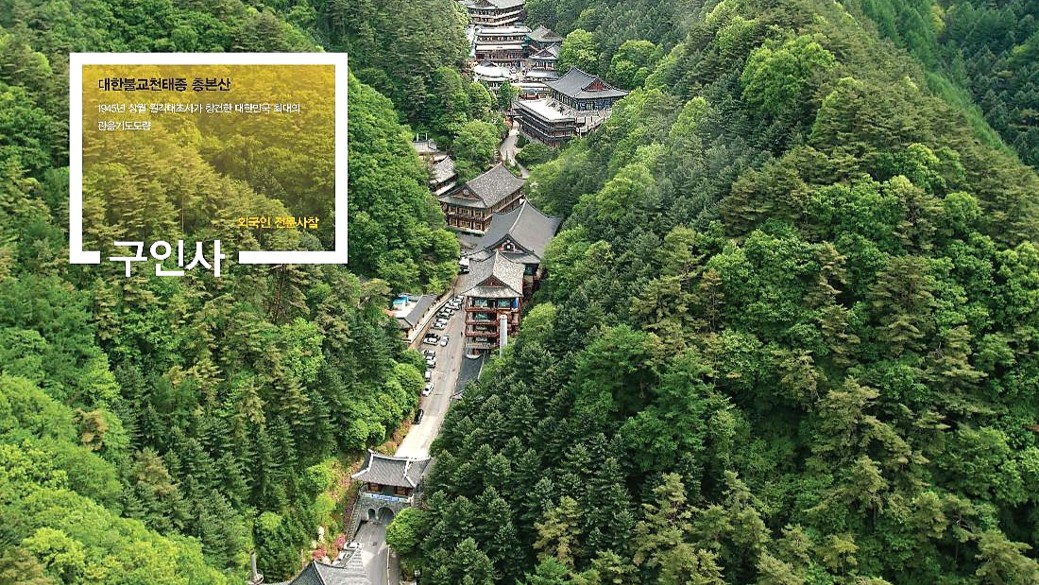
Guisinsa temple is the headquarters of Korea Buddhism Cheontae Order. The Cheontae Order of Korean Buddhism is a sect that integrates Seon (Zen) and Gyo (Doctrine), the two pillars of Shakyamuni Buddha's teachings. Founded in the 6th century by the Chinese monk Zhiyi, it was first established in Korea by the great monk Uicheon, National Preceptor of Goryeo. Though it disappeared during the Joseon Dynasty's policy of suppressing Buddhism and promoting Confucianism, it was later reestablished by the great monk Sangwolwongak.
Guisinsa temple is a three-room hermitage built in 1945 by the great monk Sangwolwongak under the name ‘Guisinsa Temple for Saving All Beings and Delivering Sentient Beings’. At Guinsa temple, built from arrowroot vines, Great Patriarch Sangwolwongak achieved the Great Way through bone-gnawing ascetic practice. He revived the Tiantai sect, dormant for over 500 years, and registered the Cheontae Order of Korean Buddhism with the government in 1967.
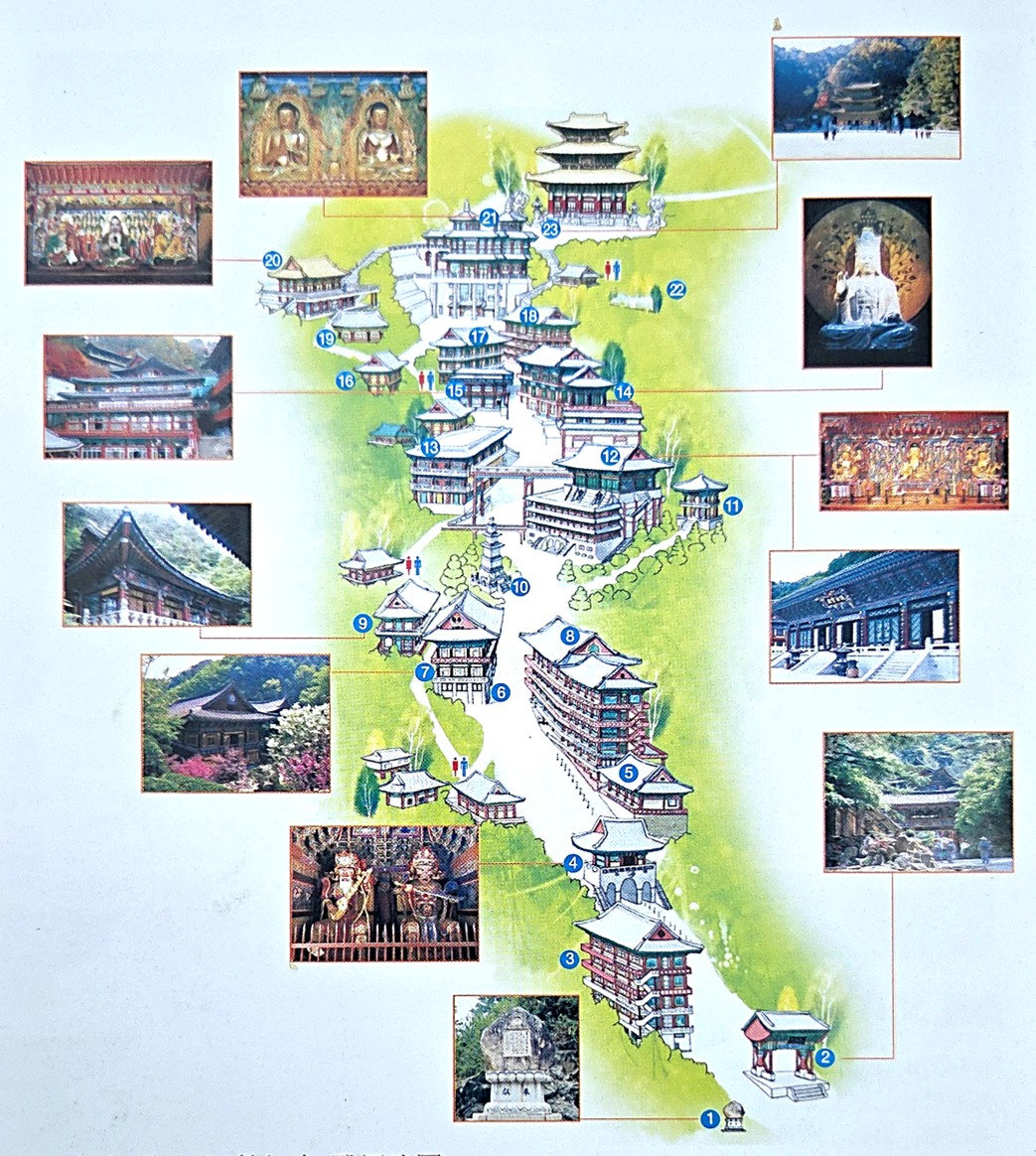
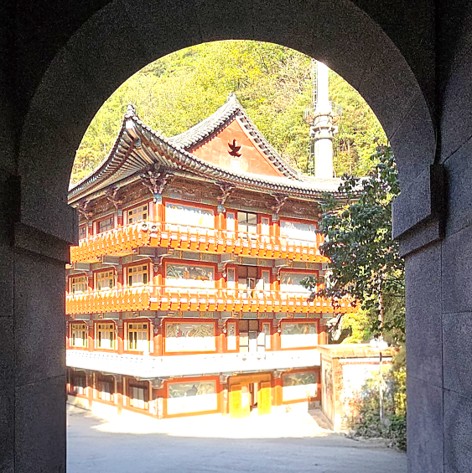
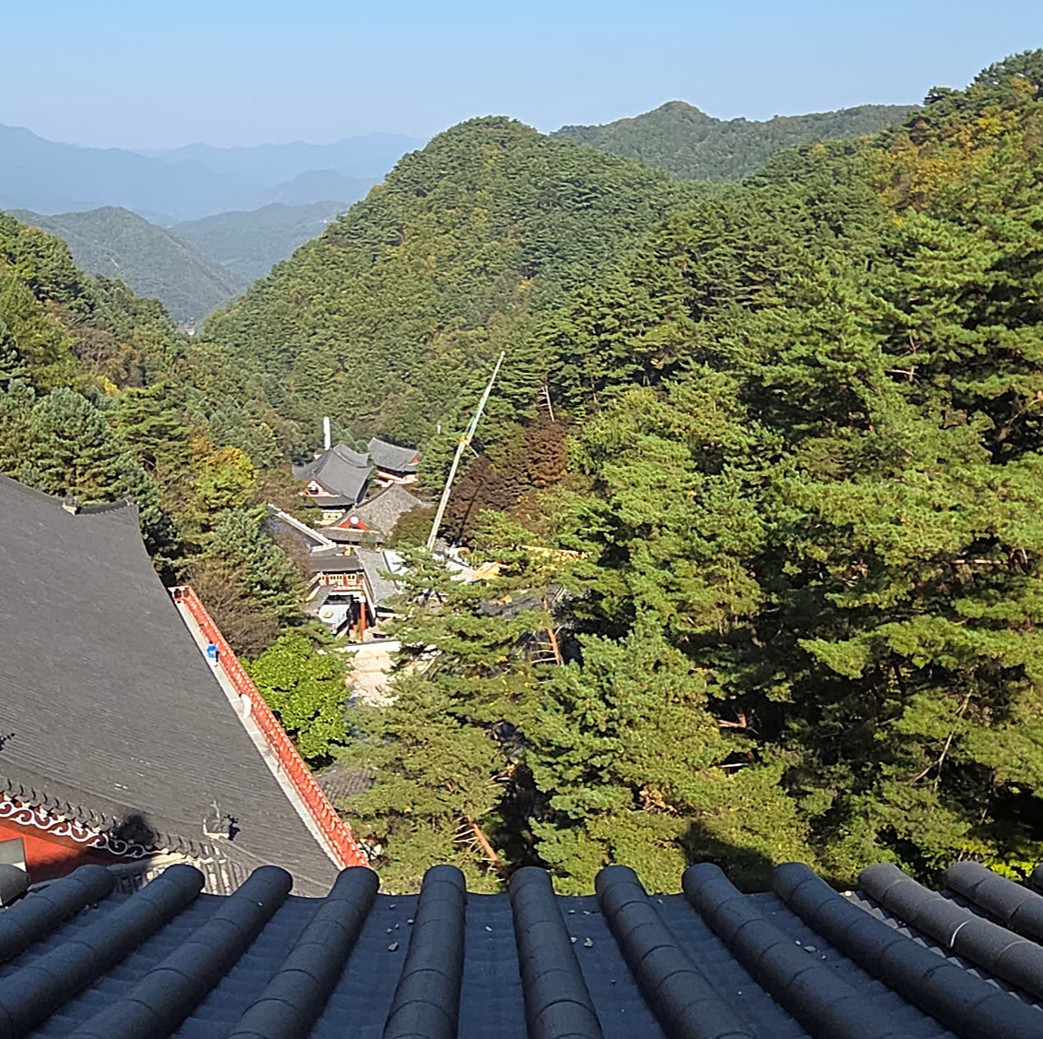
Today's Guinsa temple serves as the headquarters of Korea Buddhism Cheontae Order, continuing the lineage from the 6th-century Chinese Cheontae Order and the 11th-century Goryeo Cheontae Order. It stands as the center realizing the order's guiding principles of patriotic Buddhism, living Buddhism, and popular Buddhism. Guinsa temple, which has established a foundation for self-sustaining economy through the practice of “working by day and meditating by night,” houses over 50 buildings stretching from the Single-Pillar Gate to the Great Patriarch Hall.
Capable of accommodating over 10,000 residents simultaneously, Guinsa temple has been renowned since its founding as the foremost Avalokitesvara prayer sanctuary in the nation. Believed to grant one wish to anyone who prays and practices diligently, it has become a place of refuge for countless beings. Guinsa temple welcomes all to enter and practice diligently. Surrounded by Sobaeksan Mt. National Park, the Eight Scenic Views of Danyang, and numerous cave districts, it offers abundant historical education and tourist sites, allowing visitors to combine prayer with relaxation.