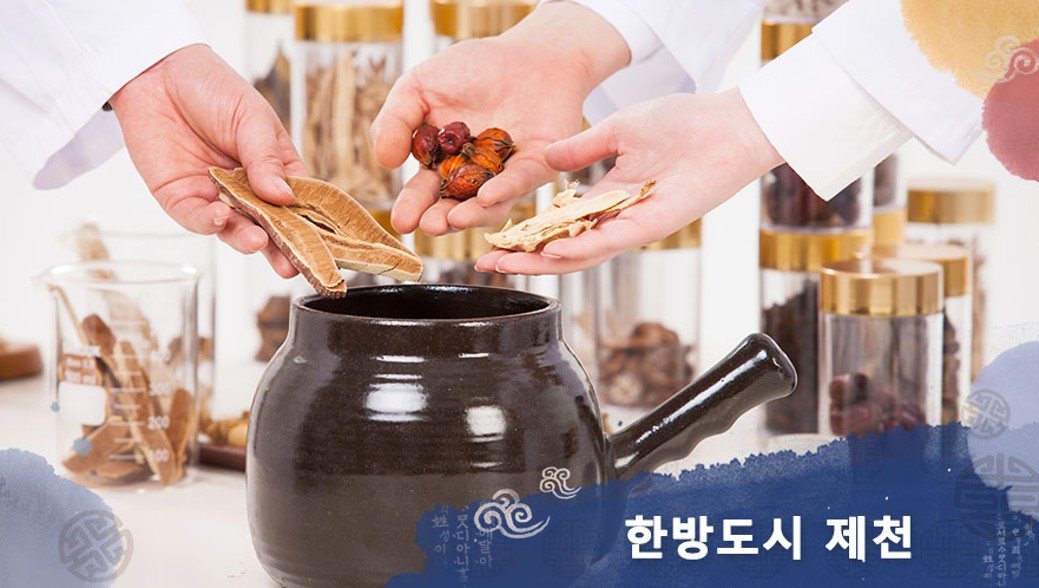
Since the Joseon Dynasty, our Jecheon has served as a central city for the production and distribution of herbal medicines as one of the three major herbal medicine markets, accounting for 30% of the nation's medicinal herb production and 80% of Hwanggi distribution.
Furthermore, along with the beautiful natural environment of Cheongpung Myeongwol, we are emerging as a global mecca for the Traditional Korean Medicine industry through resources such as the Industry-Academic-Research Cluster, the Village of Traditional Korean Doctors for ecological healing and tourism, and being selected as a 'WHO Healthy City.'
In particular, in September 2010, we successfully hosted the '2010 Jecheon International Oriental Bio Expo' under the theme of 'Rediscovery of Traditional Korean Medicine - Scientific, Industrial, and Global,' marking a major turning point in the industry's development.
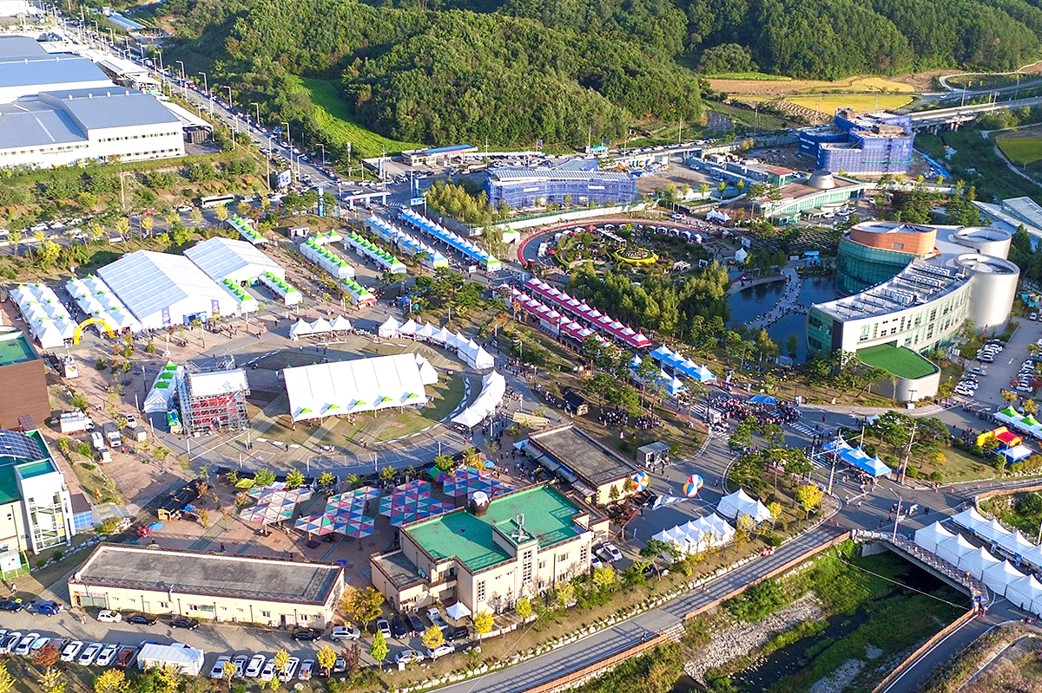
Accordingly, Jecheon has established the 'Jecheon Oriental Expo Park' to create synergy from the 2010 International Expo and ensure continuous growth of the industry.
We have prepared programs to satisfy all five senses, including the Life Science Hall, International Fermentation Museum, Herb Garden, and Herb Market, which will provide great satisfaction to all visitors.
Thank you.
Mayor of Jecheon
“At the heart of the Korean Peninsula, Jecheon is paving the way for the future of green medical Korean medicine and becoming a global health city!”
Jecheon established Korea's premier Korean Medicine cluster and hosted the 2010 Jecheon International Korean Medicine and Natural Product Industry EXPO.
Its pristine environment and Korean medicine resources offer abundant potential for development as a wellness city
・Cheongpungho Lake, the inland sea, and Wolaksan mountain National Park, the Alps of the East
・A pristine natural treasure trove along the upper Namhan River, ideal for ecological therapy, recreational tourism, and natural health
A central city for Korean Medicineproduction and distribution (Herbal Medicine Capital) with established infrastructure
・One of the three major herbal medicine markets during the Joseon Dynasty, a hub for production and distribution
・Produces 30% of Korea's medicinal herbs and handles 80% of the nation's Milk Vetch Roots distribution
A city pioneering the future of Korean Medicine with an industry cluster integrating Industry-academia-research institute
・Attracting leading domestic pharmaceutical companies within Jecheon Bio Valley (15 companies)
・Bio Center (Ministry of Knowledge Economy), University Research Institutes (Semyung University College of Korean Medicine, Korean Medicine Bio Clinical Support Center, Daewon Science University Food Technology Research Institute)
・Herbal Medicine Market (74 stores), Herbal Medicine Cultivation Complex (approx. 1,600 farms)
International Korean Medicine Treatment Tourism City
・Preemptive branding as a city for Korean medicine treatment, relaxation, and tourism tailored to health tourism
・Establishment of a village of renowned Korean medicine practitioners for ecological therapy and relaxation tourism
- Operating programs for intractable diseases like atopy, diabetes, obesity, and other adult diseases
・Commercializing tourism products featuring Korean medicine health foods aligned with wellness
- Branding new tourism products through developing Korean medicine health and medicinal foods
- Providing customized Korean medicine health foods by gender, age, and constitution (Food = Tonic)
International hub city for the Korean Medicine industry
・Gain competitive advantage by strengthening international competitiveness of Korean Medicine in response to FTA liberalization
・Secure leadership and create high value-added through industrialization, scientific advancement, and globalization of Korean Medicine
- Enhance competitiveness and increase income in the production, processing, distribution, and R&D of herbal medicines
・Establish as an international forward base for both conventional and alternative medicine as a WHO Korean Medicine Health City
- Hub for exchange in Korean medicine and alternative medicine with China, Japan, the US, Germany, Europe, etc.
- Accelerate development by over 10 years through infrastructure expansion as a growth engine for regional development
・Create a Korean Medicine Industrial Complex (231,000㎡) by attracting Korean medicine bio-related companies after the Expo
- Attract related industries such as pharmaceuticals, food, functional cosmetics, and medical devices related to Korean medicine
Visitor Information
・The Korean Medicine Life Science Museum is a three-story building. The first floor houses the Special Exhibition Hall, Multipurpose Auditorium, and Information Desk. The second floor features various Exploration Galleries, Experience Galleries, and a Flexible Exhibition Hall. The third floor contains the Understanding Gallery, Learning Gallery, 4D Theater, and VR Experience.
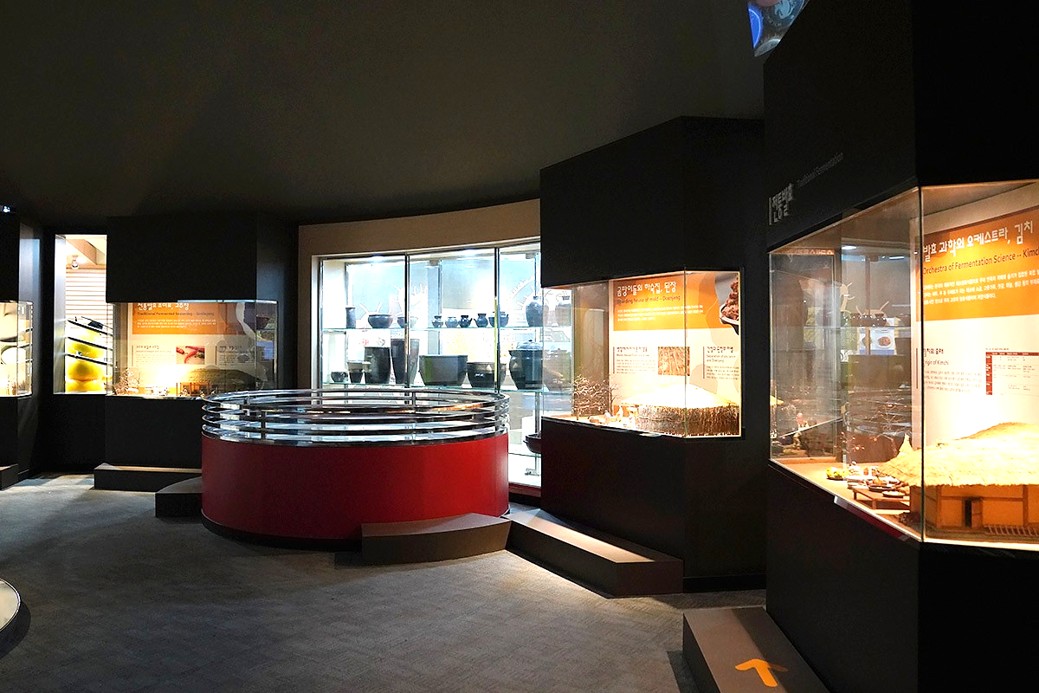
・The International Fermentation Museum is a two-story building. The first floor features traditional fermentation methods and a fermentation exhibition hall, showcasing regional traditional liquors. The basement level displays various fermented products produced in Jecheon, offers a fermentation aroma experience, and introduces future industries related to fermentation.
・The Medicinal Herb Garden offers free admission. It displays Korean Medicine herbs cultivated, produced, and growing wild in Korea in their natural state. The second floor features an experience hall where visitors can engage their senses.
Operating Hours
・Operating Hours: Summer Season 09:00 ~ 17:30 / Winter Season 09:30 ~ 17:00
・Closure: Every Monday (if Monday is a public holiday, closed the following day), January 1st, Lunar New Year, Chuseok
Facility Guide
・Korean Medicine Life Science Center: A space where you can learn about our bodies, the history of disease, and the principles, diagnosis, and treatment methods of Korean medicine through various experiences, including a journey to find health, 4D videos, and VR experiences.
・International Fermentation Museum: Explore the origins and benefits of fermented foods to understand their future development. Examine fermented foods from around the world applied in our daily lives, along with fermentation methods and processes.
・Food Culture Experience Hall: True to its reputation as a land of medicinal herbs, this hall showcases various Jecheon Korean Medicine foods. Visitors can make and taste them, and Korean Medicine foods are also sold. This space is designed for you to enjoy healthy Korean Medicine cuisine.
・Herbal Medicine Processing Facility: Produces and sells various fermented food products using cactus.
・Herbal Medicine Herb Garden: The Herbal Medicine Herb Garden features Korean herbal medicines cultivated, produced, and growing wild in Korea, arranged in their natural state. Visitors can view these herbal medicines throughout all four seasons.
・Herbal Medicine Market: Part of Jecheon's herbal market, one of Korea's three major herbal medicine markets, has relocated to the Expo site, carrying on the tradition of Jecheon's herbal market. It sells only carefully selected, high-quality herbal medicines, including Jecheon's representative medicinal herb, Milk Vetch Roots (Hwanggi).
・Korean Medicine Beef Plaza: Jecheon Brand Korean Beef, raised in pristine nature, is a symbol of trust.
・Korean Medicine Expo Children's Park: A combined space for education and play where children can understand Korean medicine at their level through hands-on experiences.