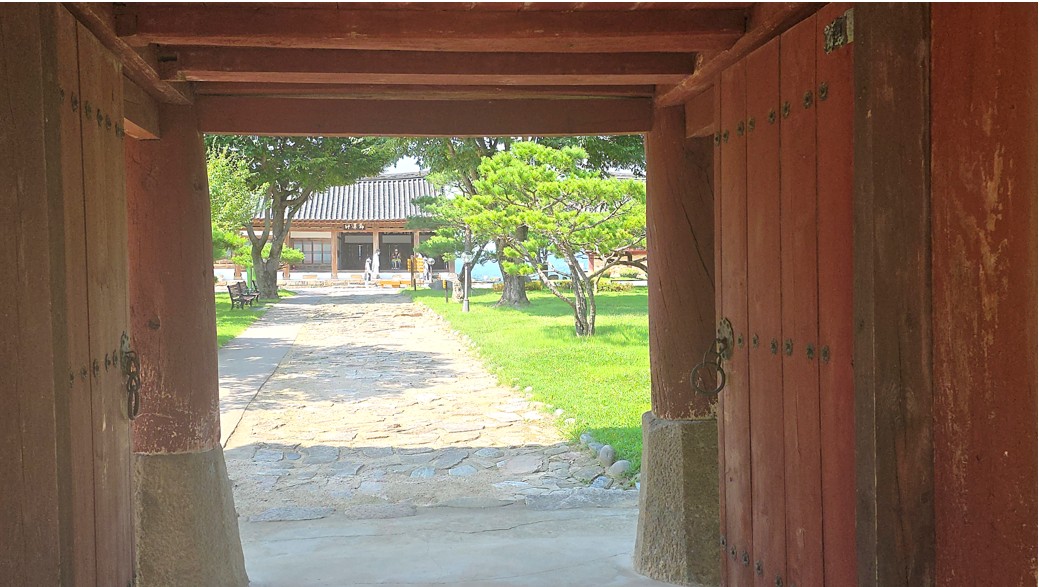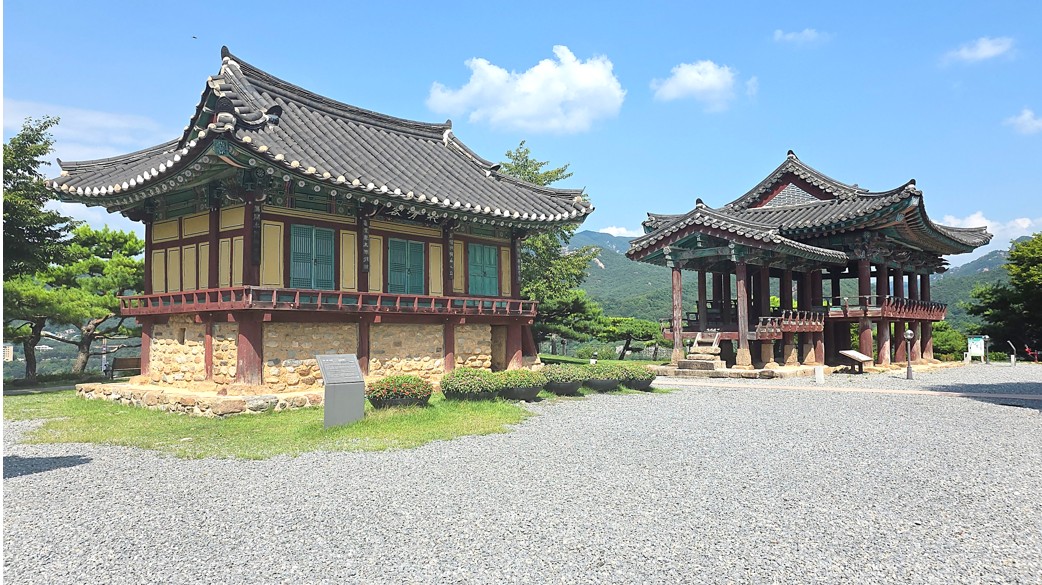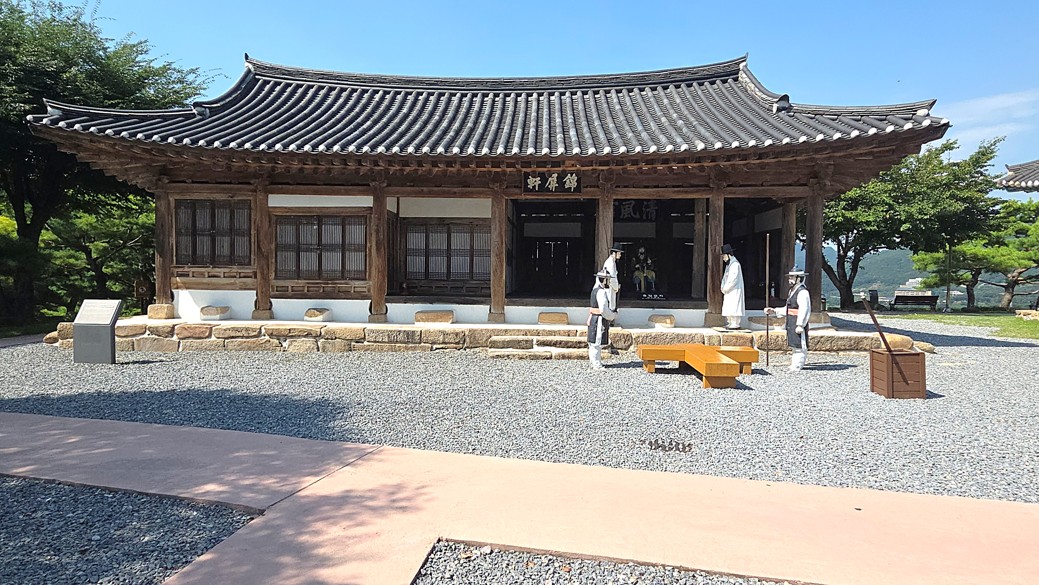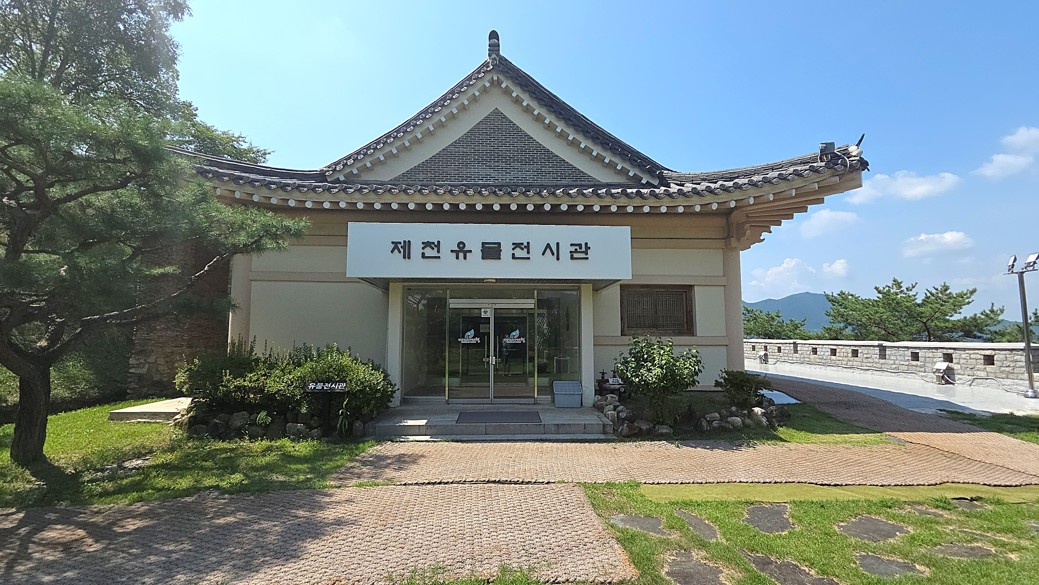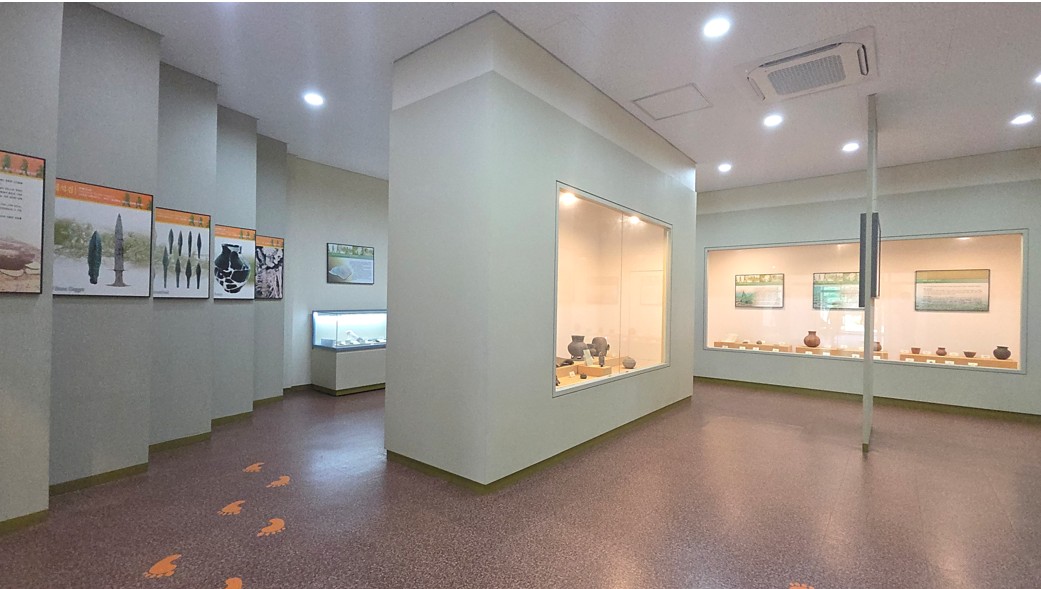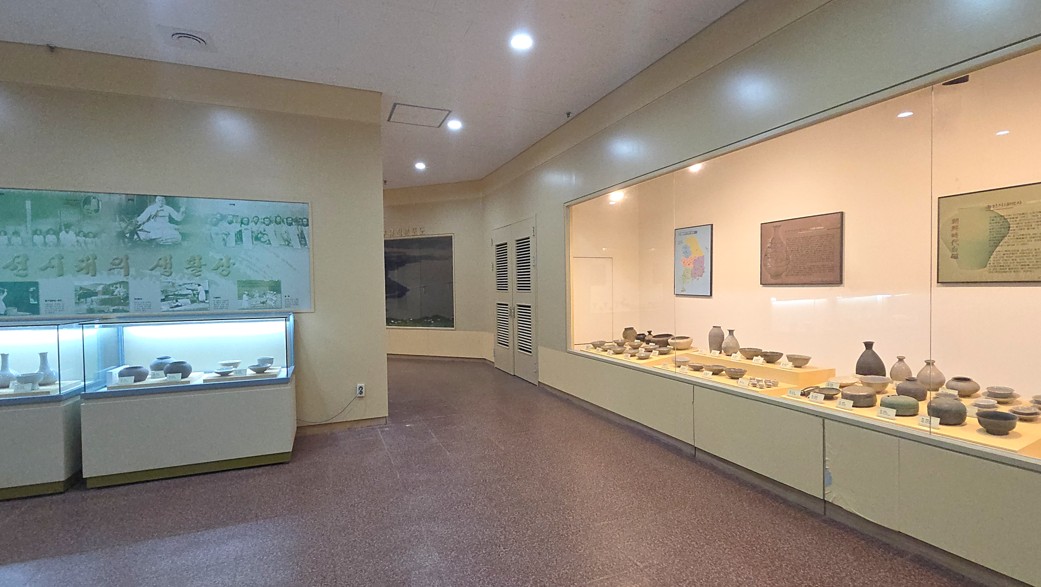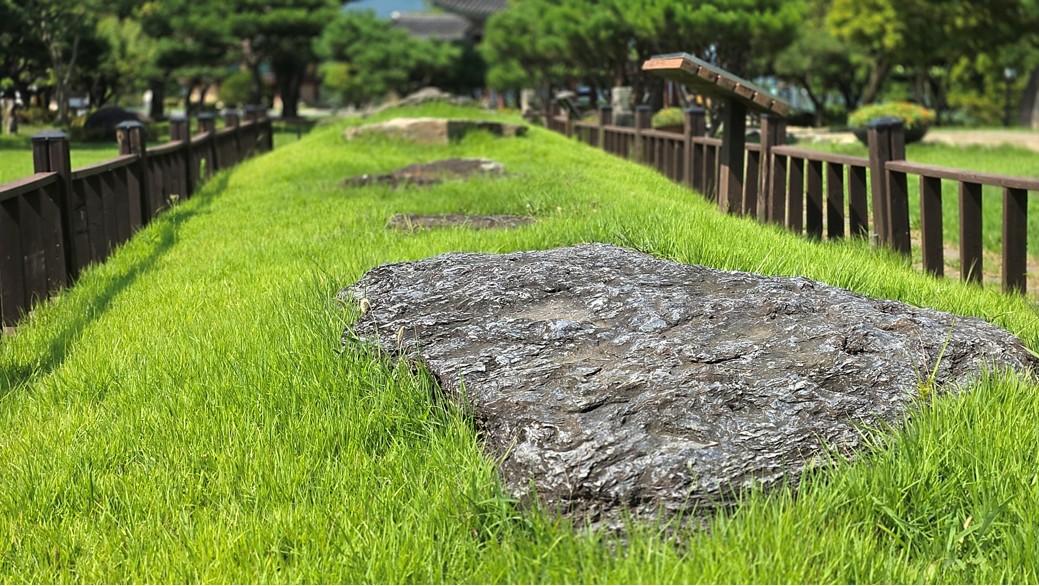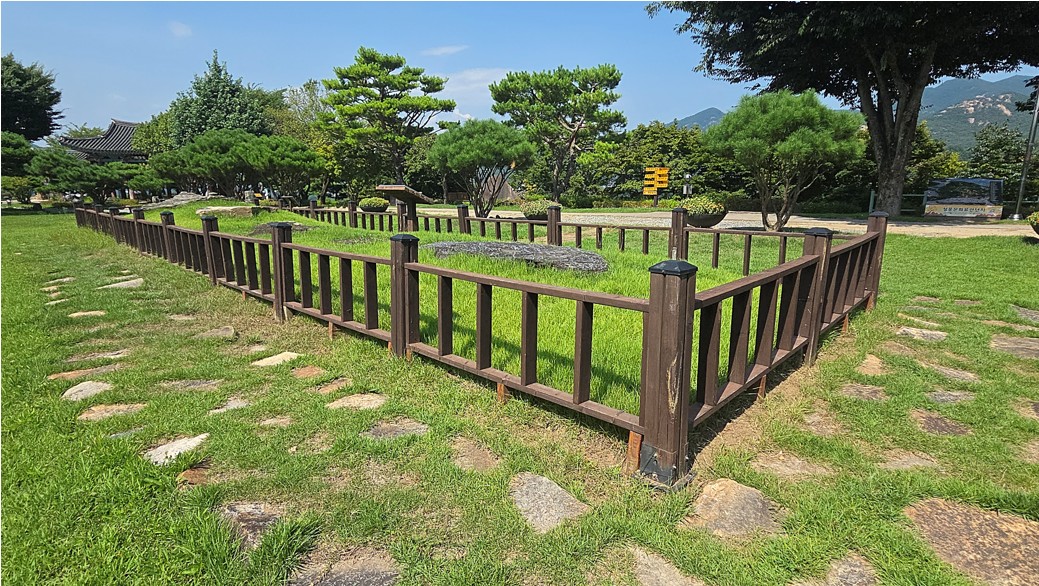
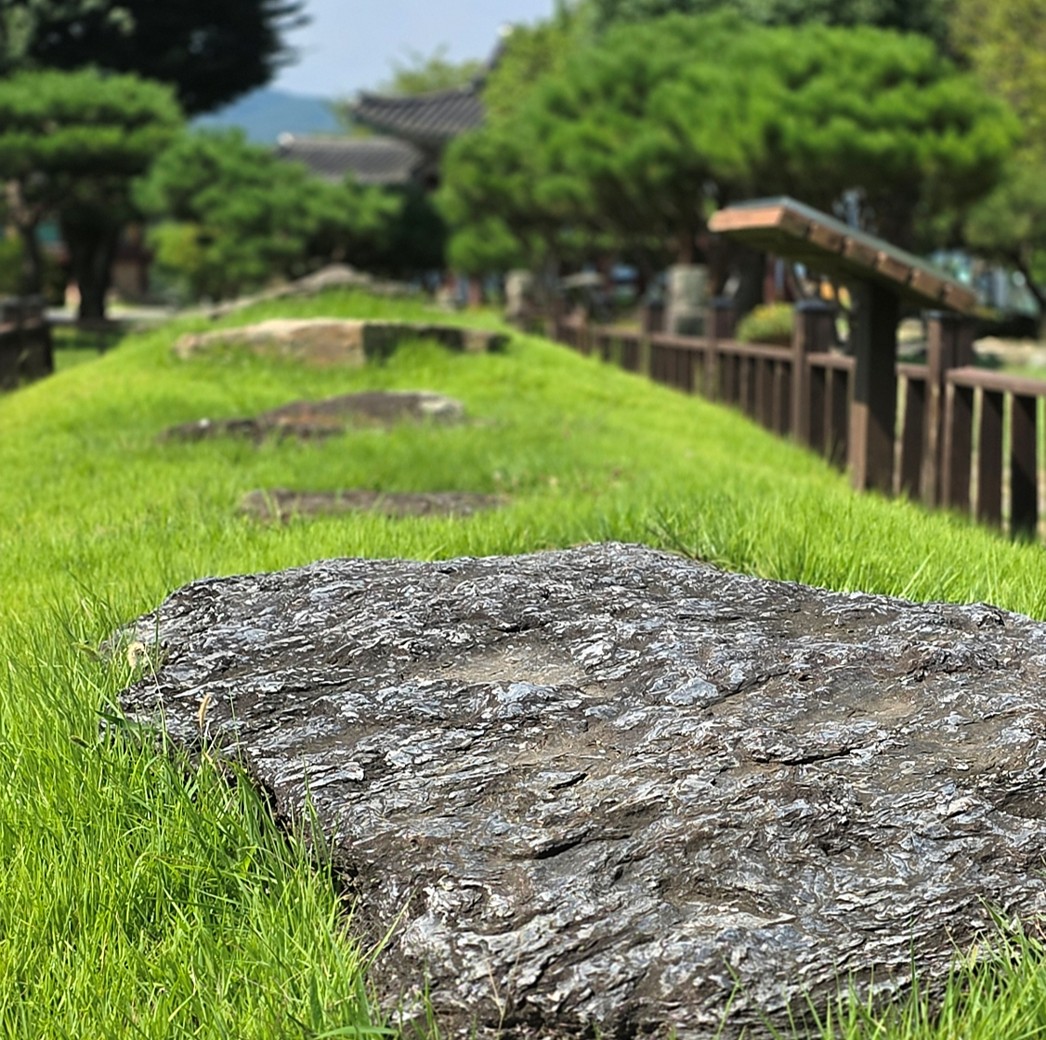
Located on the upper reaches of the Namhangang River, Cheongpung is recognized as a center of prehistoric culture. Various Paleolithic era sites and dolmen ruins have been unearthed here, establishing it as a region at the forefront of past cultural exchange. As evidence, during the Three Kingdoms period, it became a battleground for territorial control among Goguryeo, Silla, and Baekje. Numerous government fortress ruins in Jecheon reveal architectural styles of all three kingdoms, suggesting its importance amid the swirl of struggles for dominance in the central plains.
Furthermore, throughout the Goryeo and Joseon periods, commerce and culture flourished greatly through water transport. Building on this cultural exchange, the region produced several masters of the Chungcheong School of Neo-Confucianism. However, when the Chungju Multipurpose Dam construction began in 1978, creating submerged areas, those who lamented this loss gathered the various cultural assets from the area into one place, leading to the creation of the Cheongpung Cultural Heritage Complex.
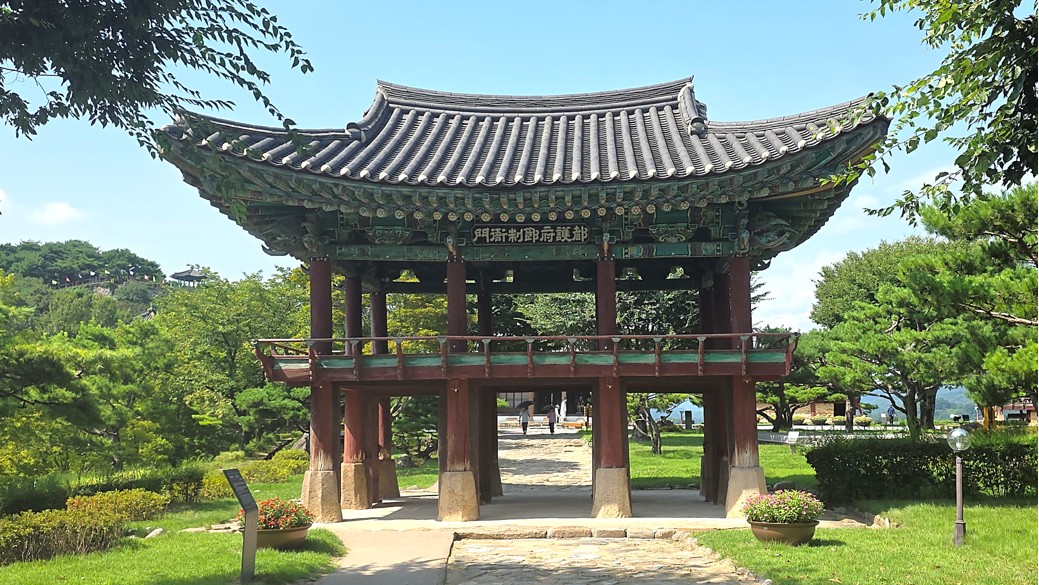
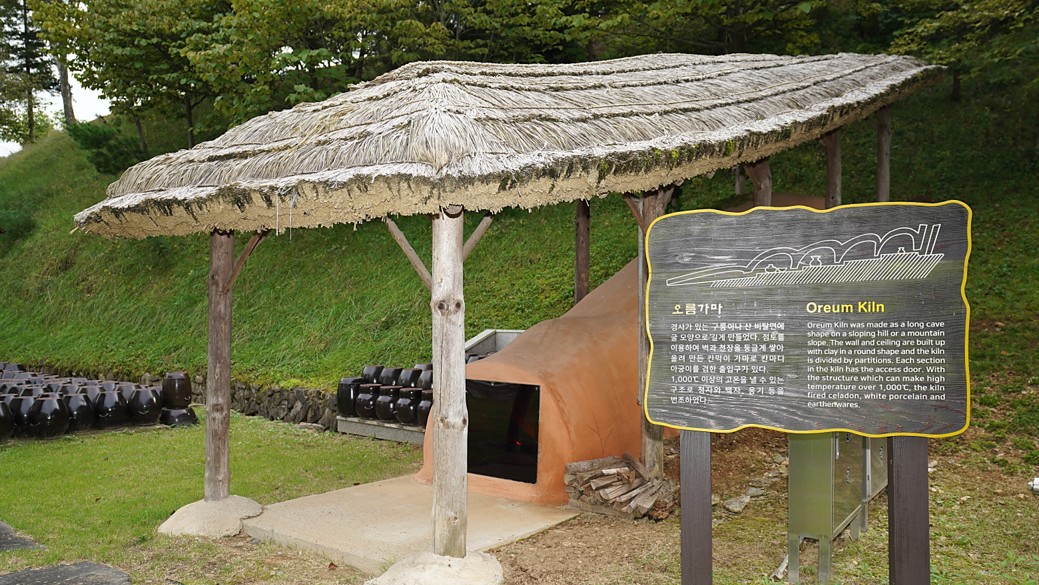
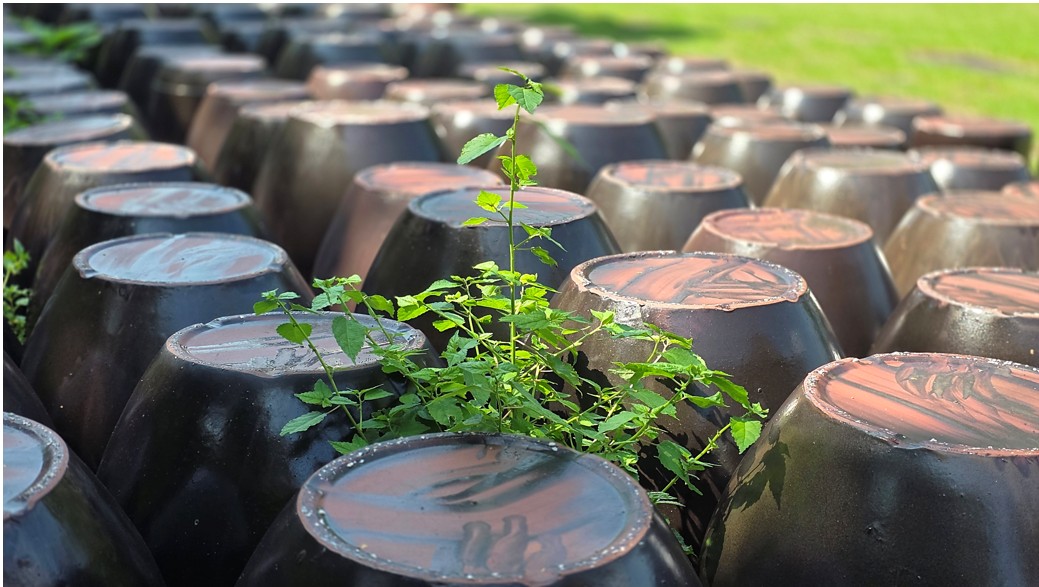
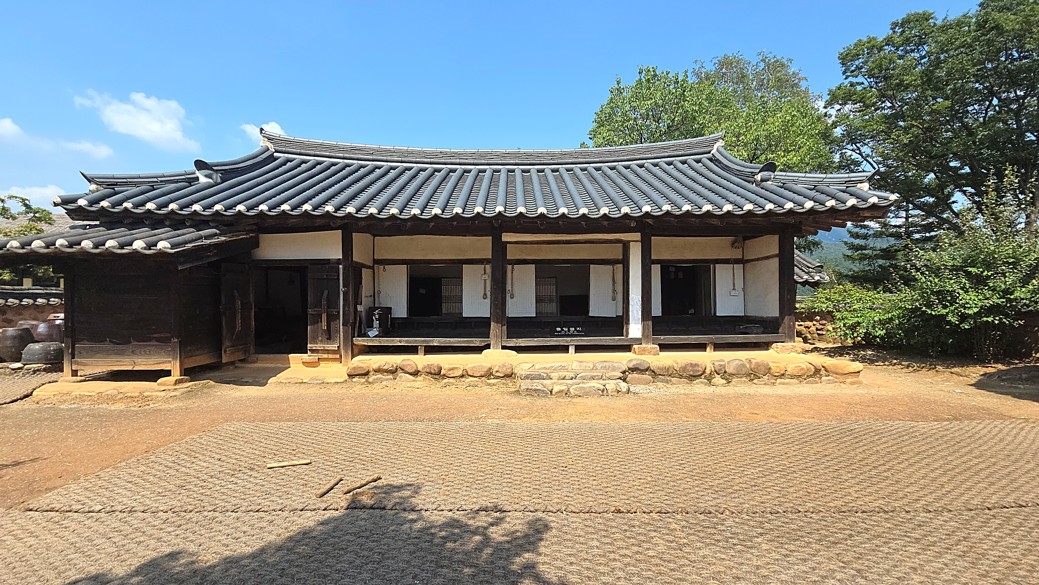
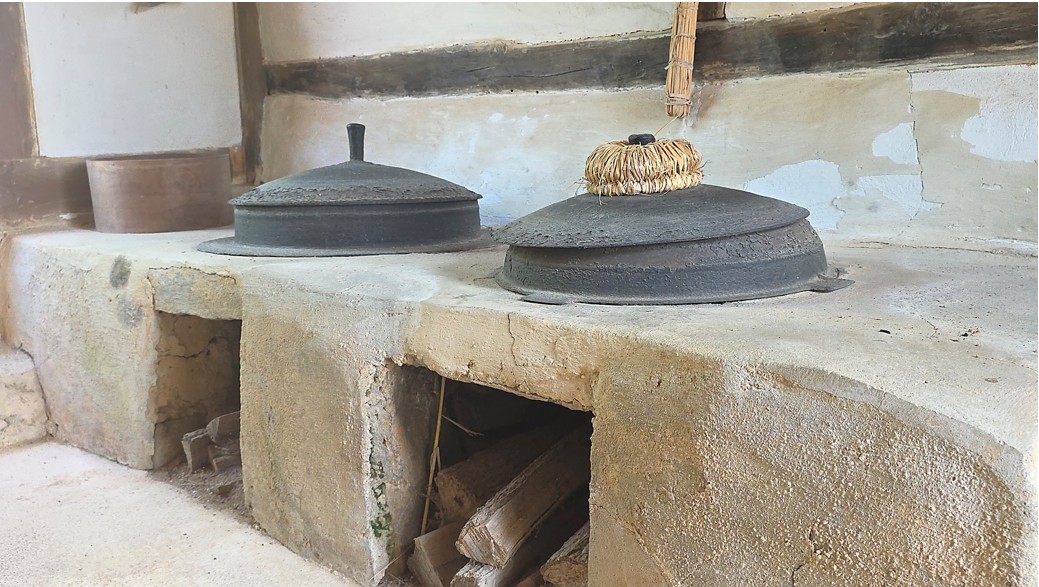
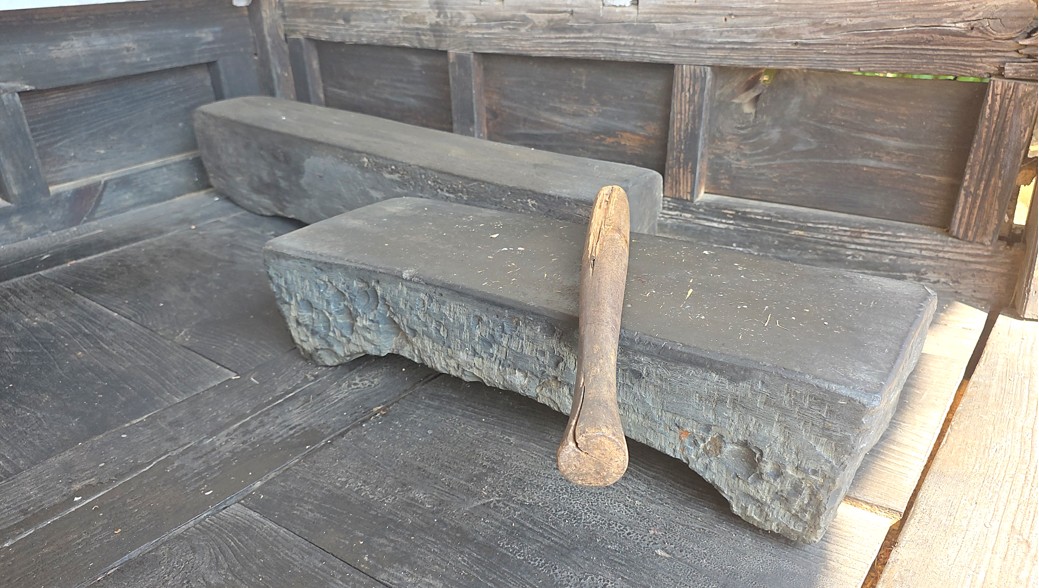
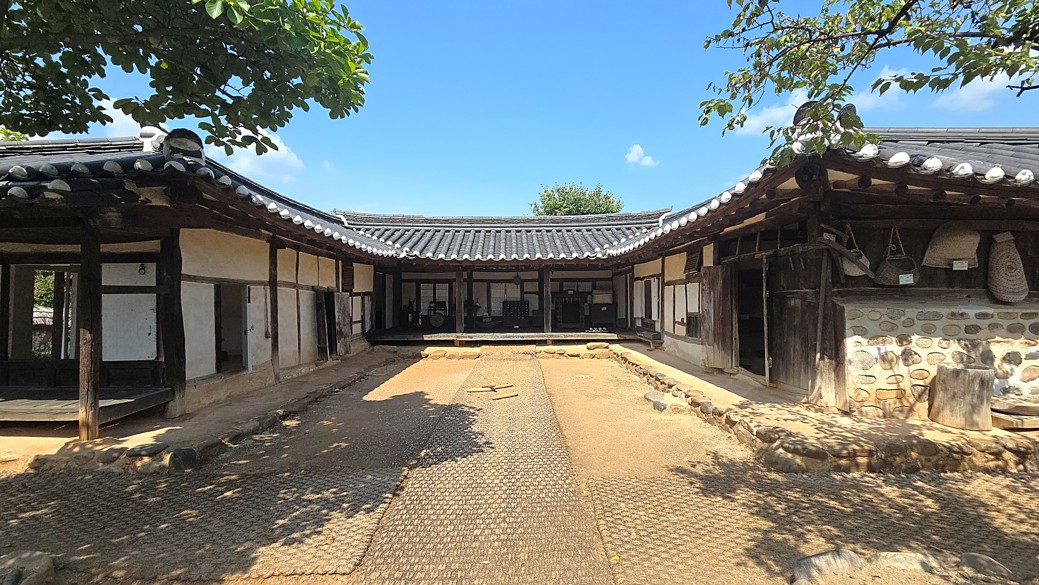
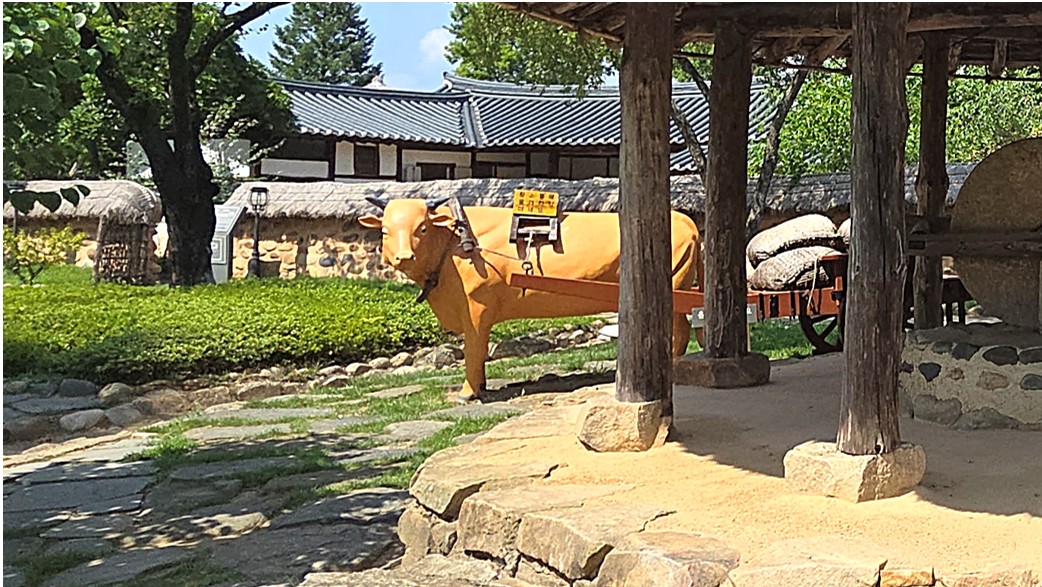
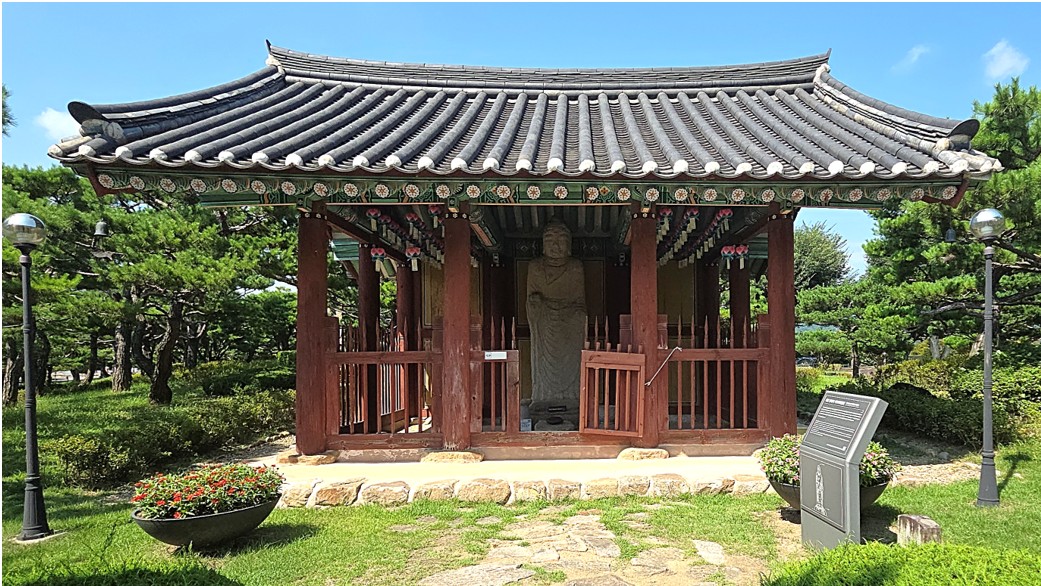
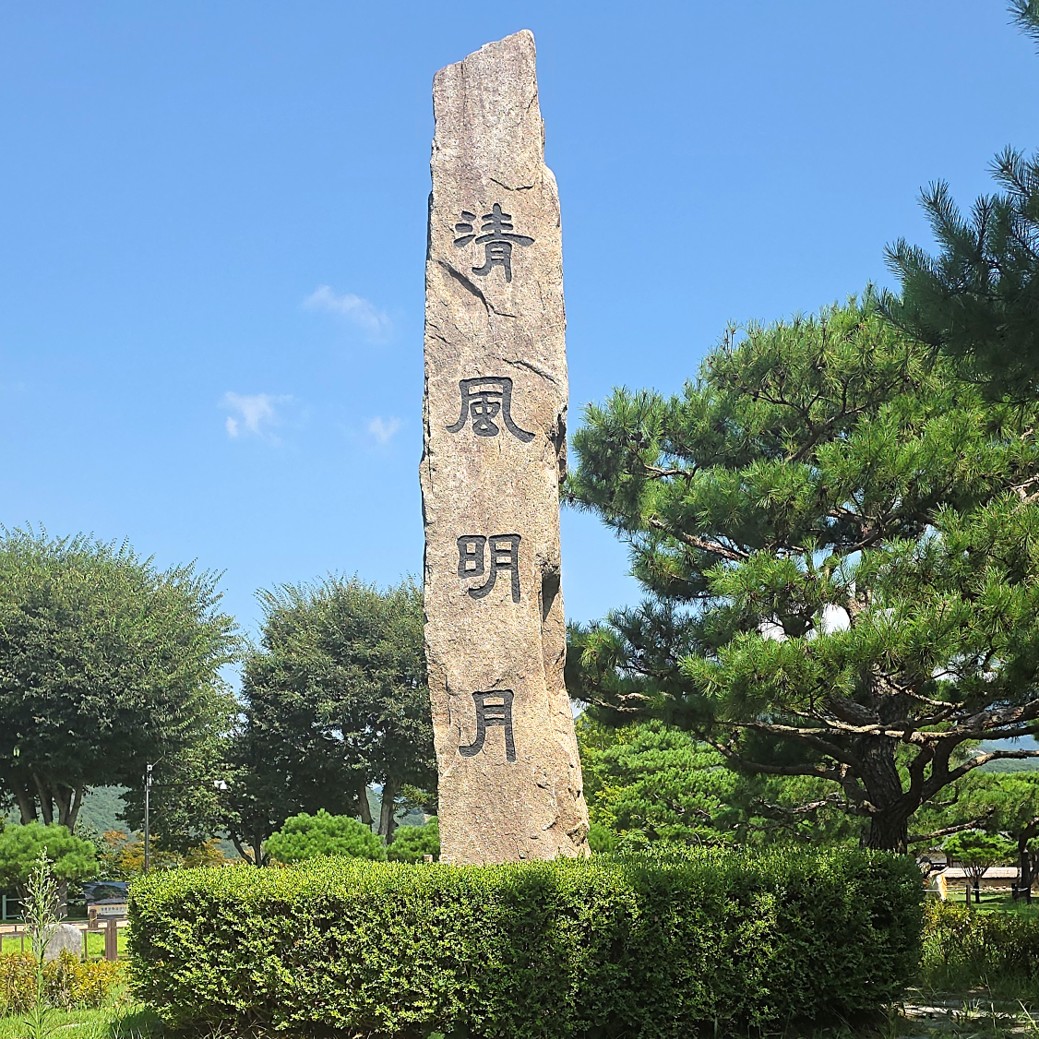
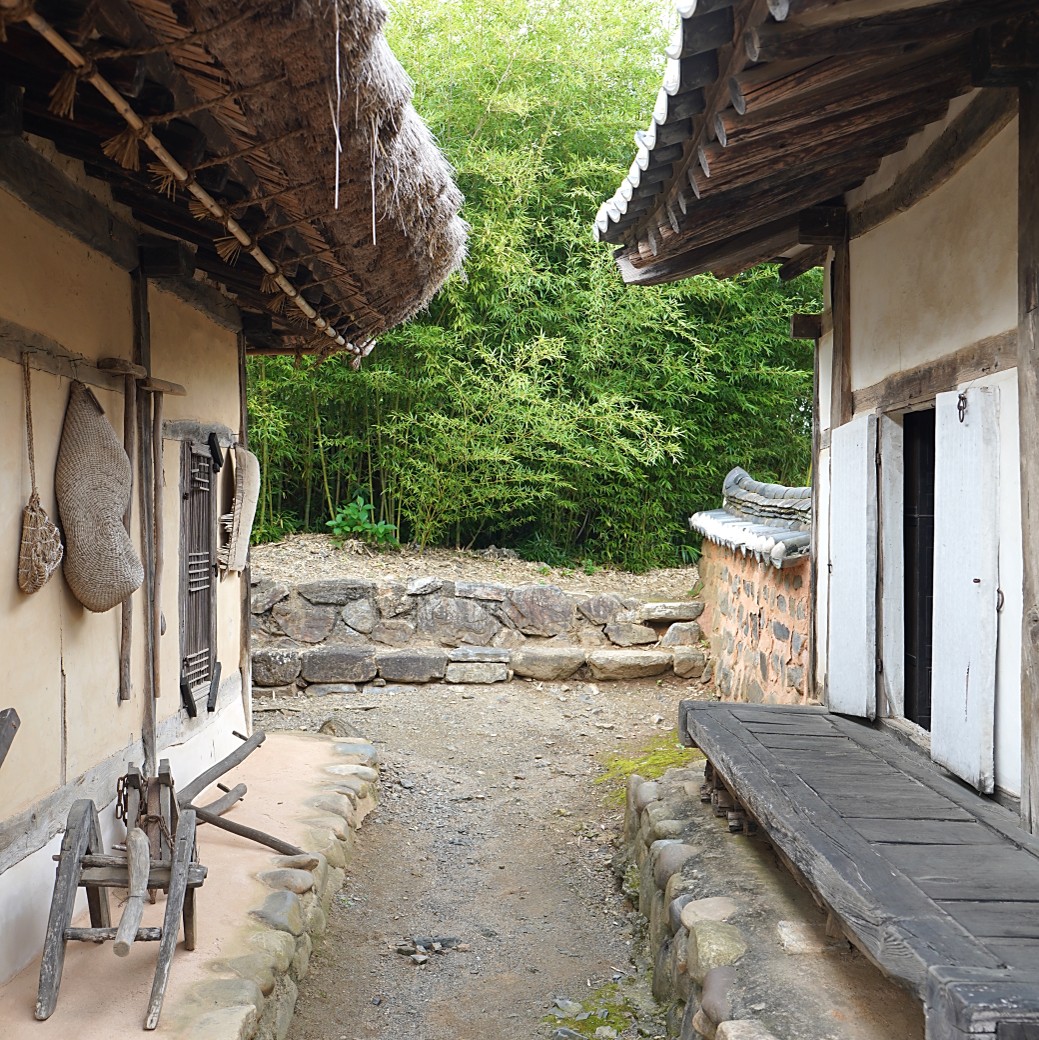
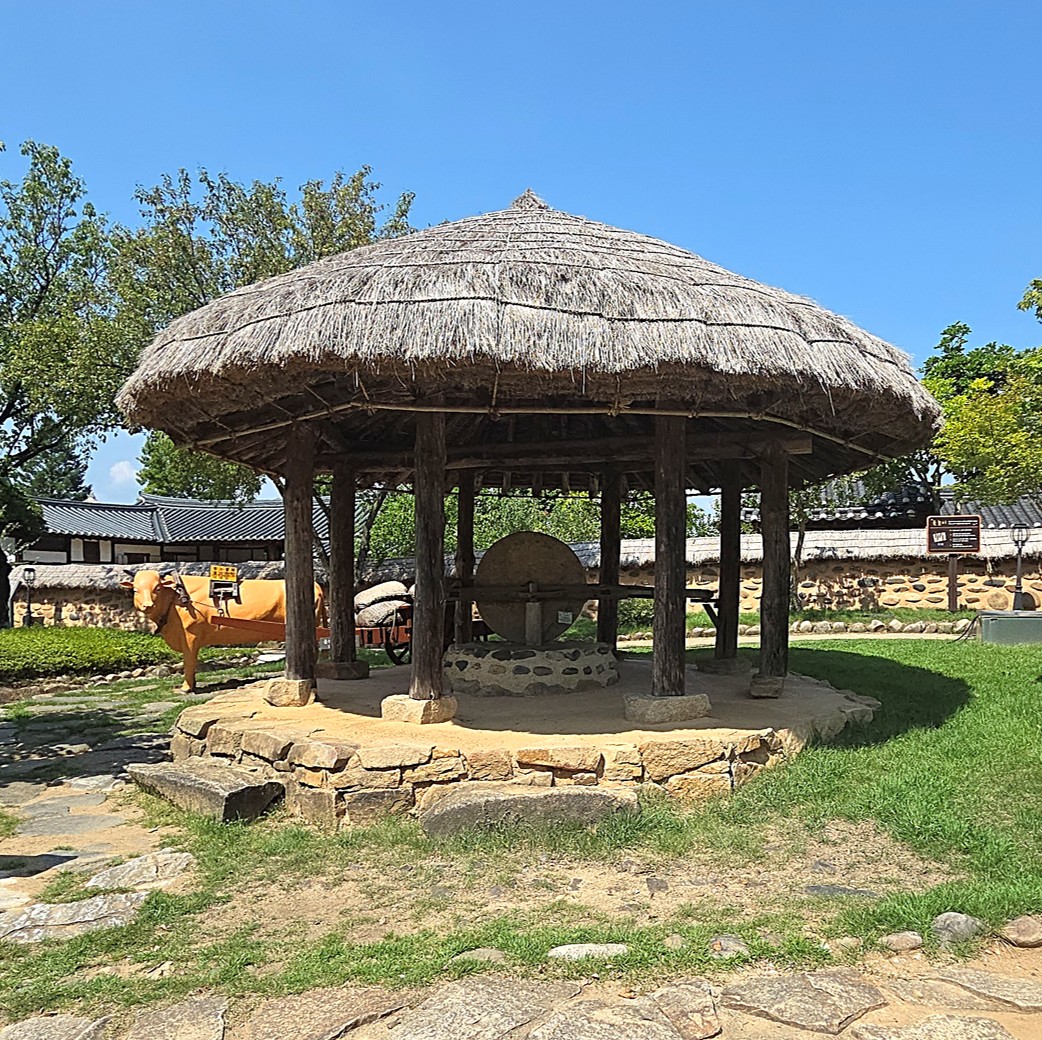
Within the complex, two National Treasures (Hanbyeokru Pavilion, Seokjoyeraeipsang(Stone Standing Buddha Statue)), nine Provincial Tangible Cultural Properties (Palyeongru Pavilion, Geumnamru Pavilion, Geumbyeongheon Hall, Eungcheonggak Pavilion, Cheongpung Hyanggyo Confucian School, Four Old Houses), dolmen, stone tablets, steles, and over 2,000 daily artifacts have been relocated and restored to their original forms. This allows visitors to experience the history and culture of Cheongpung in the upper Namhangang River region, spanning from prehistoric times to the modern era, all in one place.