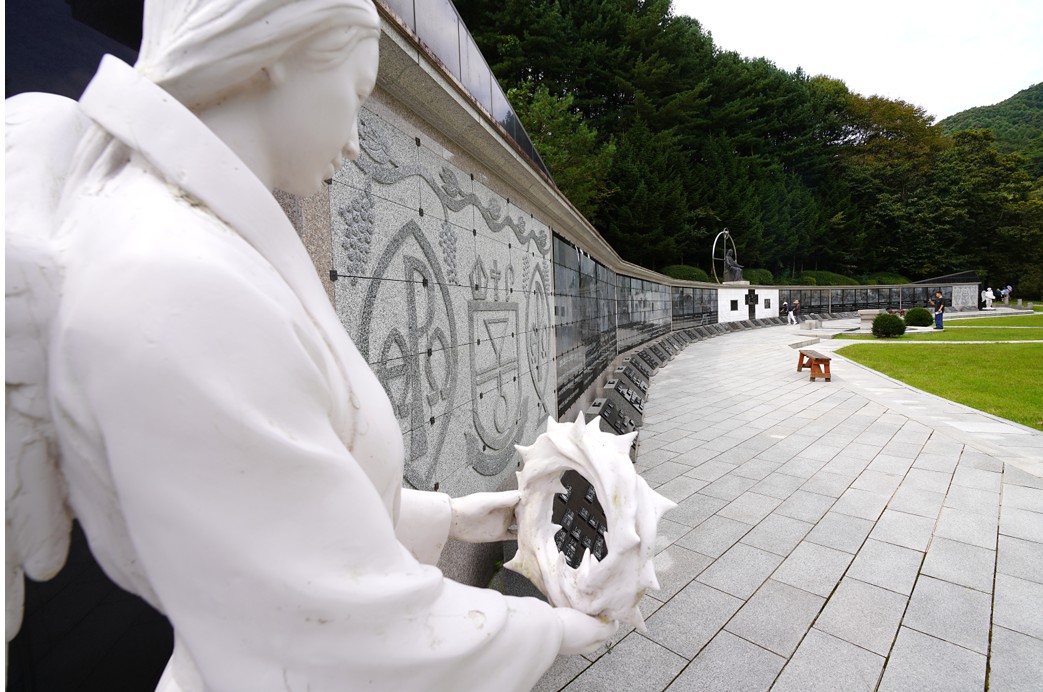
Chungcheongbuk-do Monument Location: 296 Baeronseongji-gil, Bongyang-eup, Jecheon-si
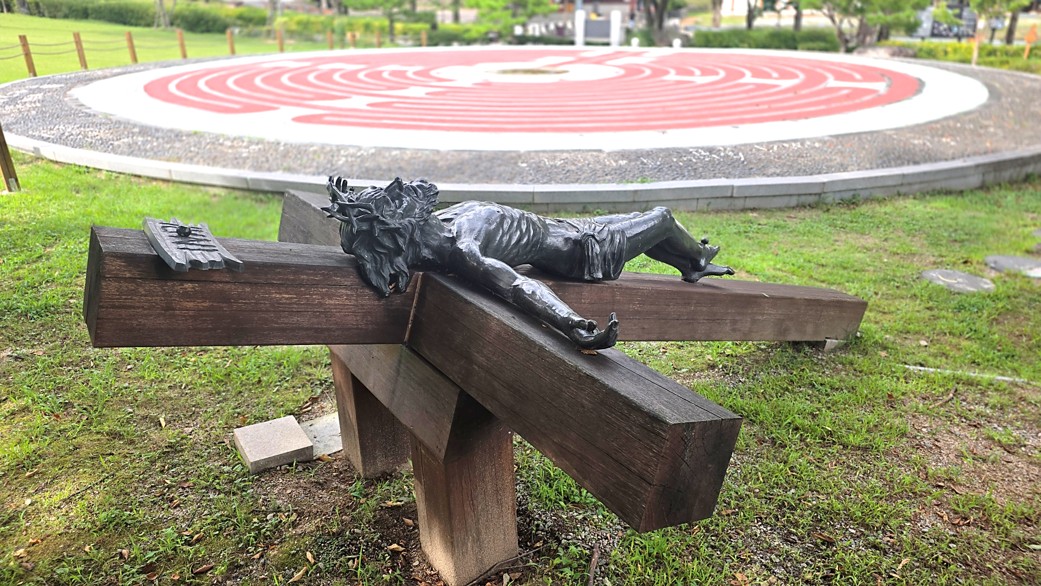
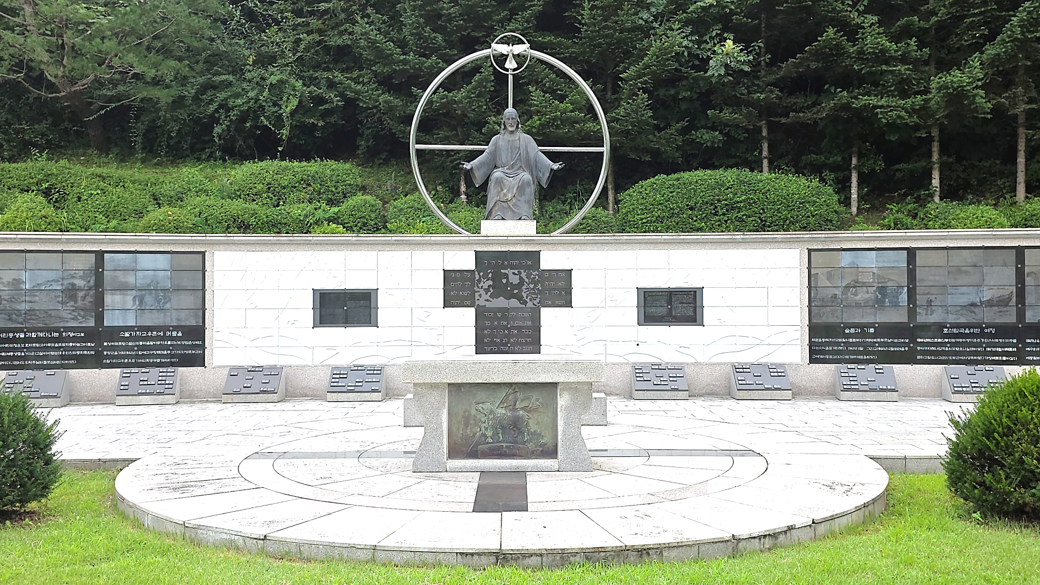
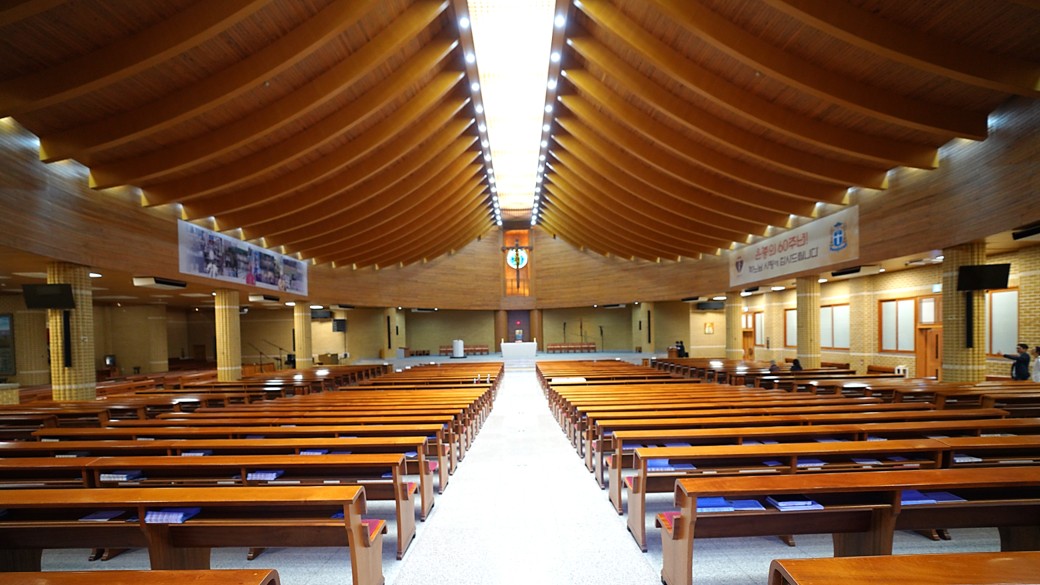
The name Baeron originates from the fact that the terrain here is shaped like the bottom of a boat. Early believers of the Korean Catholic Church fled persecution and hid here, forming a community. This place holds three important facts related to the history of the early Korean Catholic Church.
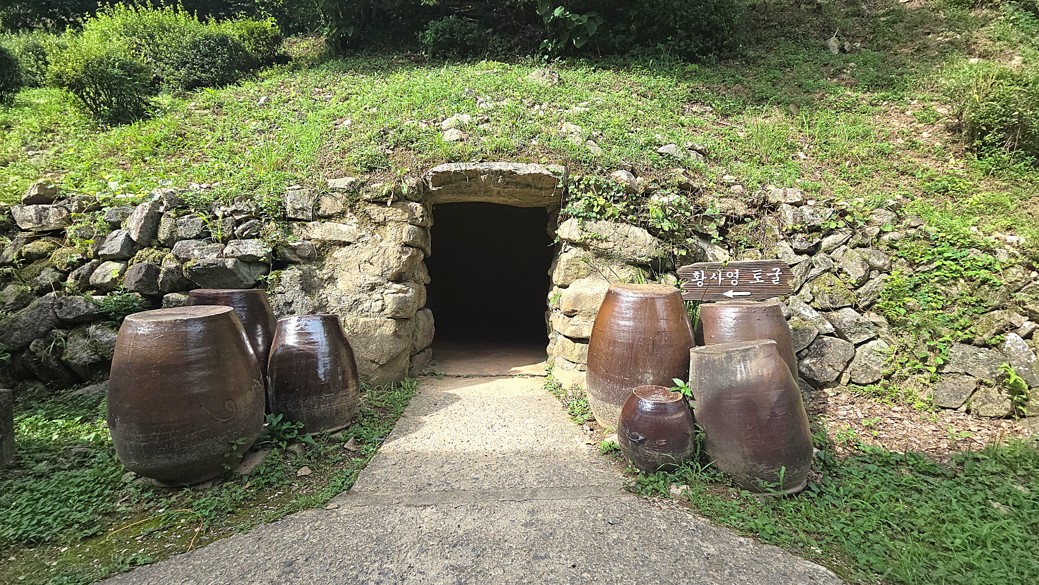
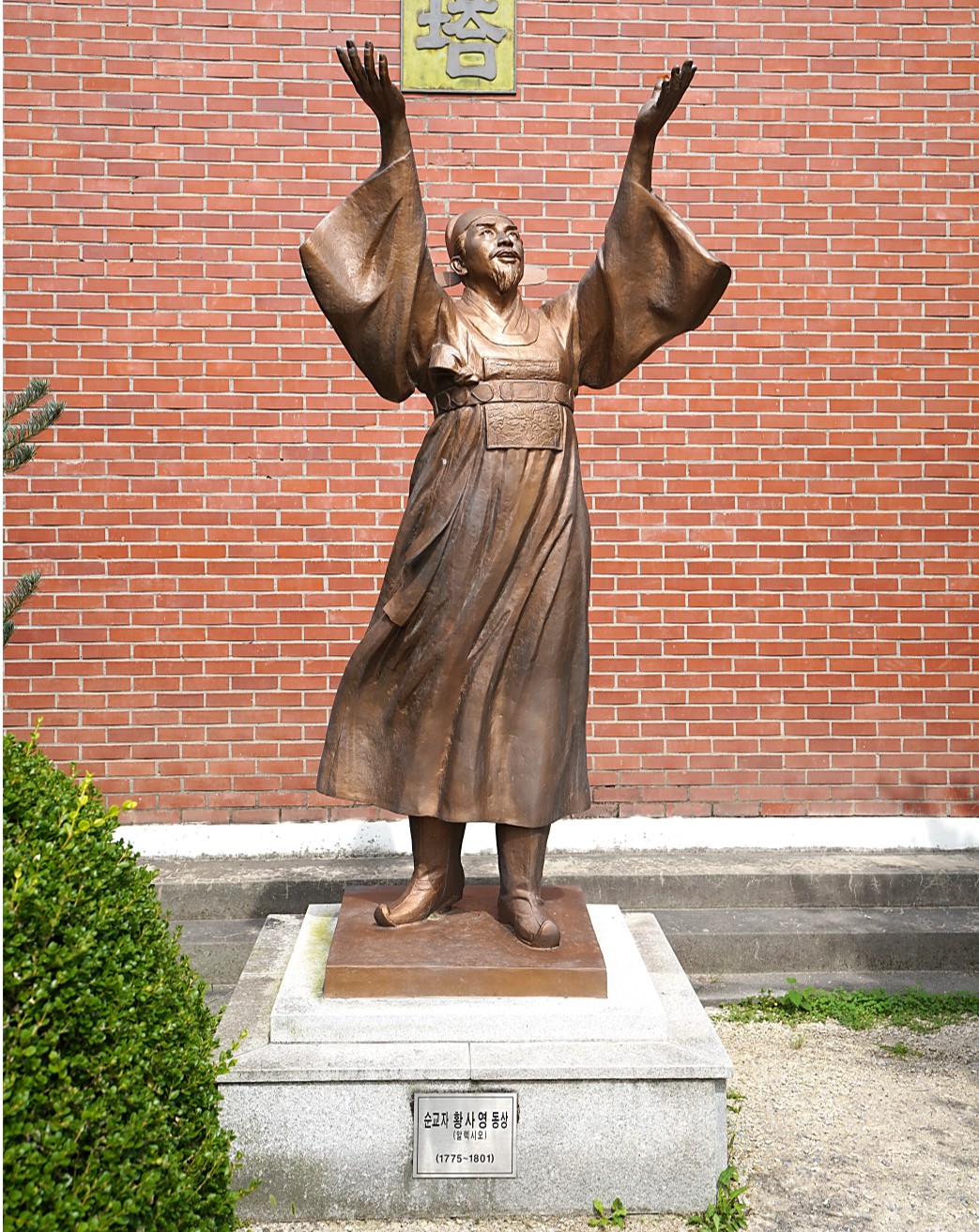
First, it is the location of the cave where the Silk Letter of Hwang Sa-yeong was written. In February 1801, Hwang Sa-yeong (Alexio) fled persecution, came here, and hid in a cave. Inside the cave, he wrote an earnest letter on silk (Silk Letter, 13,384 characters) to Bishop Gouvea in Beijing, seeking to convey the deaths of the martyrs to the global church, rebuild the Catholic Church ruined by persecution, and obtain freedom of faith. However, before it could be sent to China, the Silk Letter was confiscated, and he was also arrested and martyred outside Seosomun in Seoul in November of that year. The Silk Letter is currently kept in the Vatican Historical Museum.
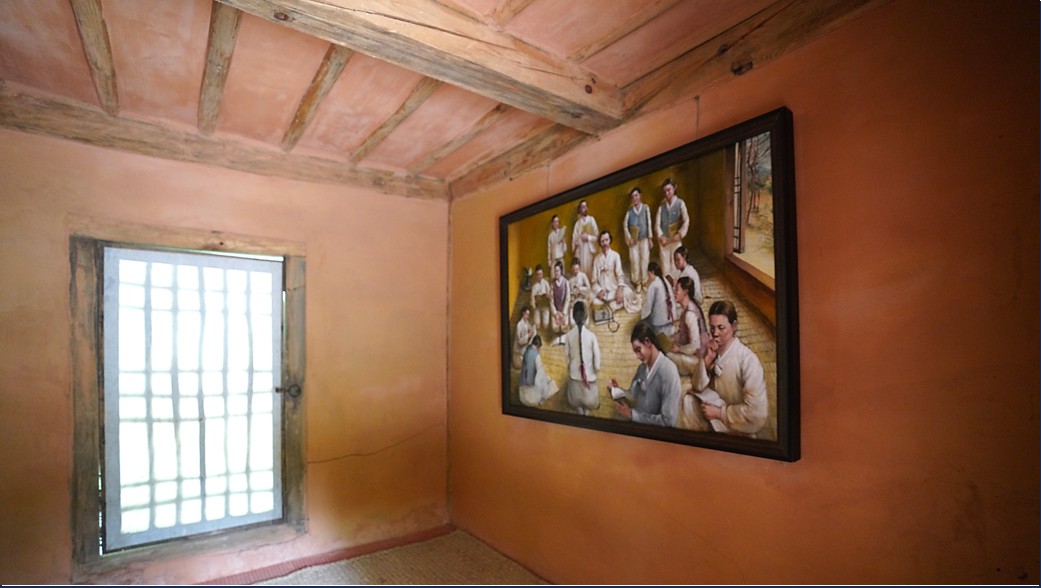
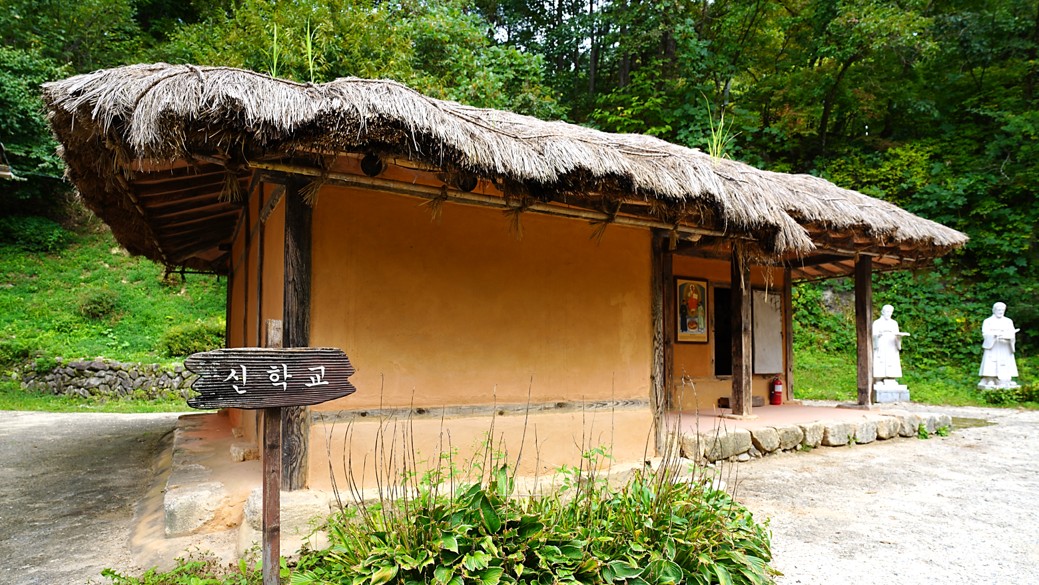
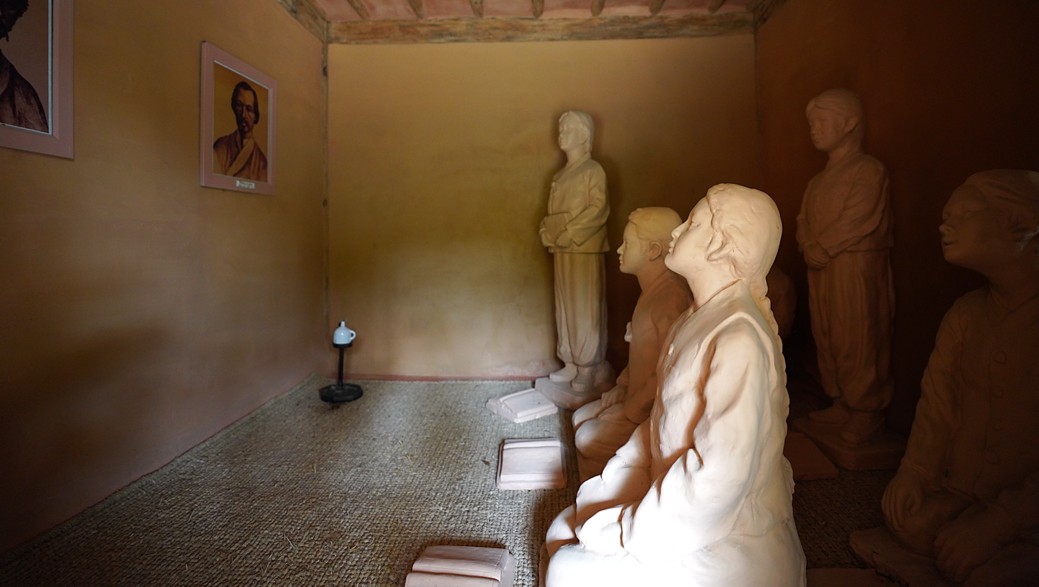
Second, it is the site of St. Joseph's Seminary, the first seminary for training Catholic clergy in Korea. Established in early 1855 at the house of Saint Joseph Chang Chu-gi, St. Joseph's Seminary educated about ten seminarians, including John the Apostle Kim, John Kwon, and Andrew Yu, under the guidance of French priests Father Pourthie and Father Petitnicolas. In early 1866 (the year of Byeong-in), just as the seminarians, who were the first in Korea to learn Western studies such as Latin, philosophy, and theology, were about to bear the fruits of priestly training, persecution broke out. As a result, the two priests and Chang Chu-gi were martyred at Saenamteo in Seoul and Galmaemot in Boryeong, respectively, and the seminary was closed.
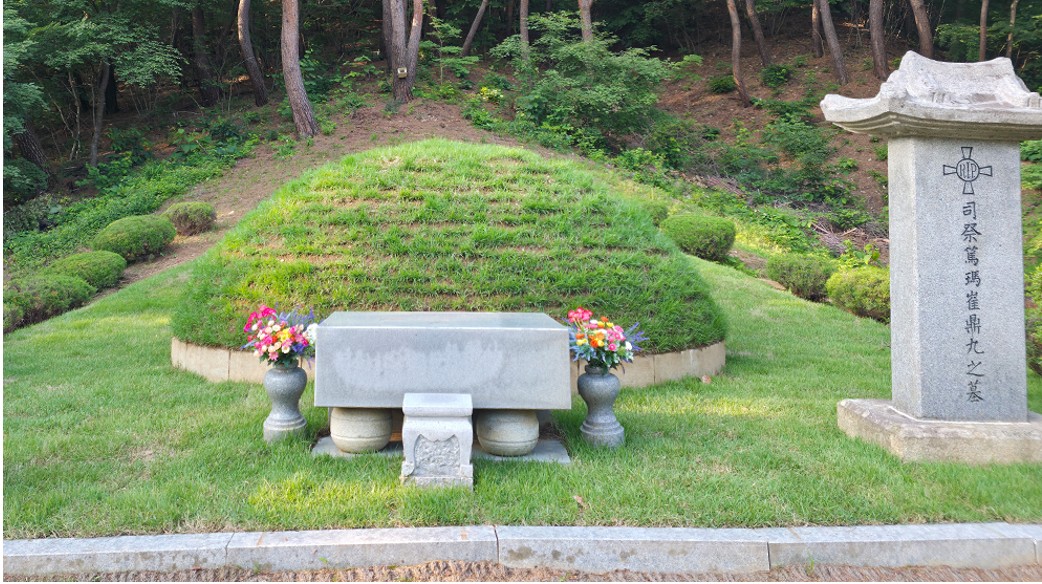
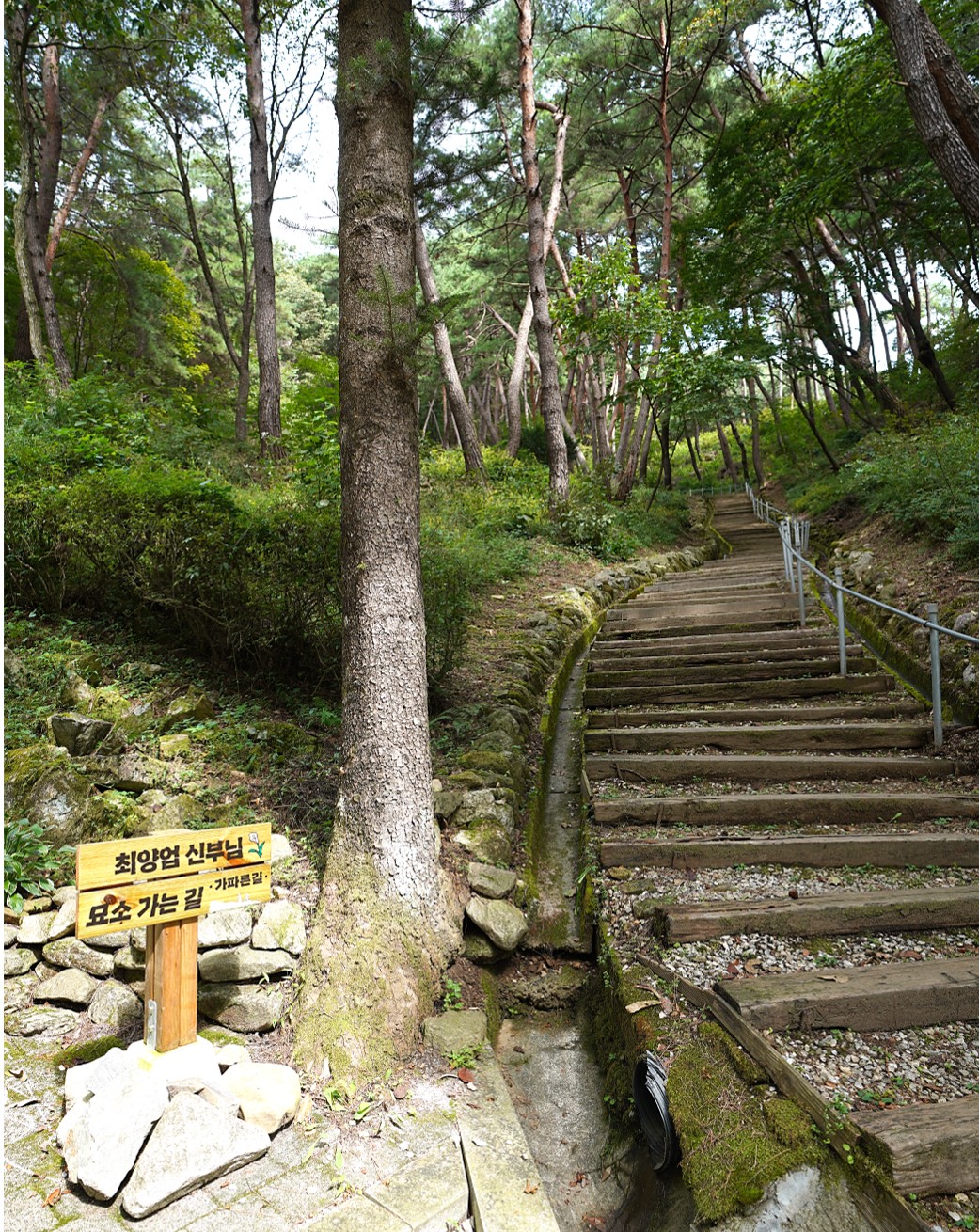
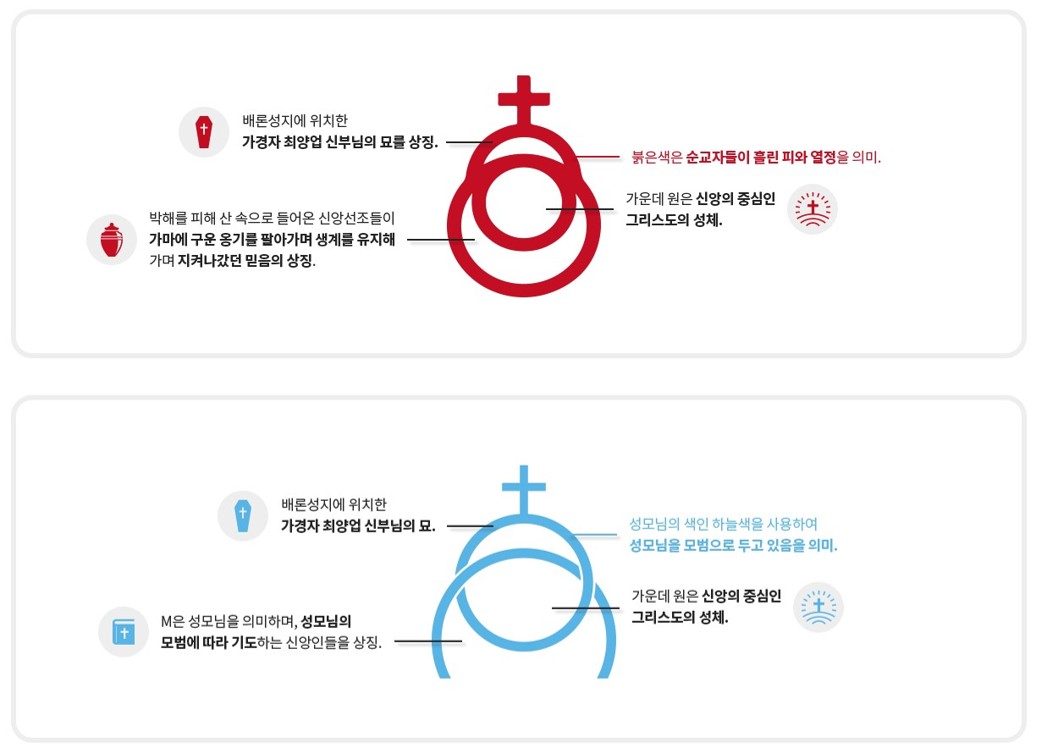
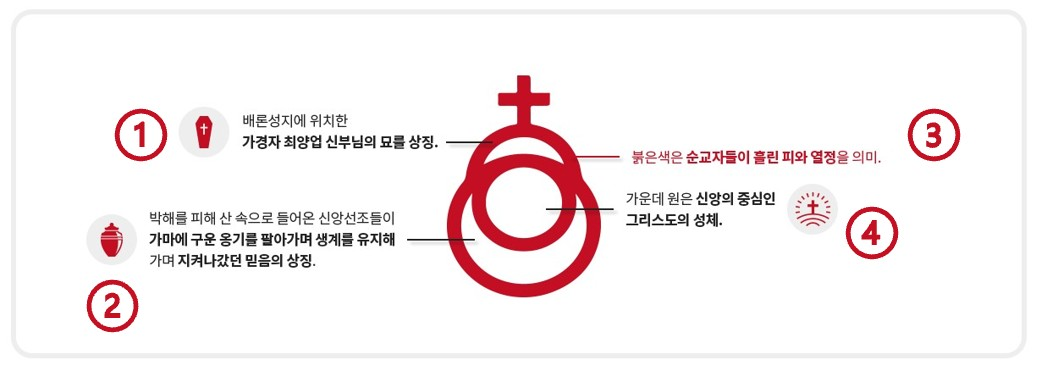
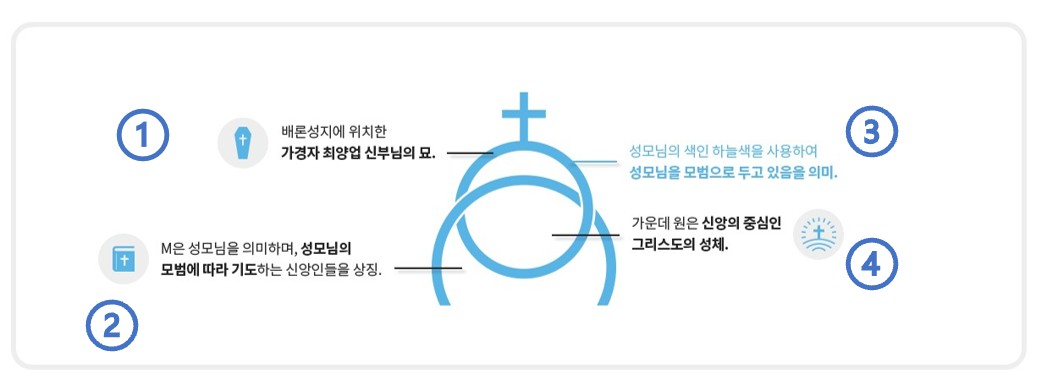
Third, it is the burial site of Father Thomas Choe Yang-eop, the second priest in Korea. He went to Macau, China, in December 1836 to study theology and was ordained a priest in Shanghai, China, in April 1849. For 12 years, he worked for the Church with firm faith in God, a fiery passion to save souls, and excellent judgment, before passing away from exhaustion in Mungyeong in June 1861. In November of that year, he was buried on the hill behind St. Joseph's Seminary, lighting the path for future students seeking to walk the path of priesthood. As such, the Baeron Holy Ground not only occupies an important place in church history from a religious perspective, but also holds value as a land of history and education in Korea.