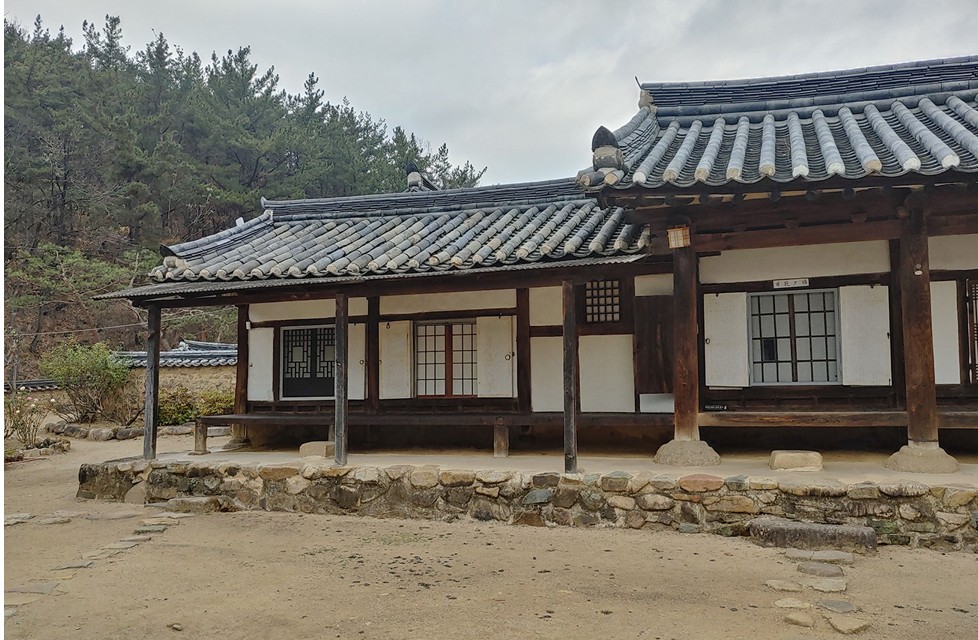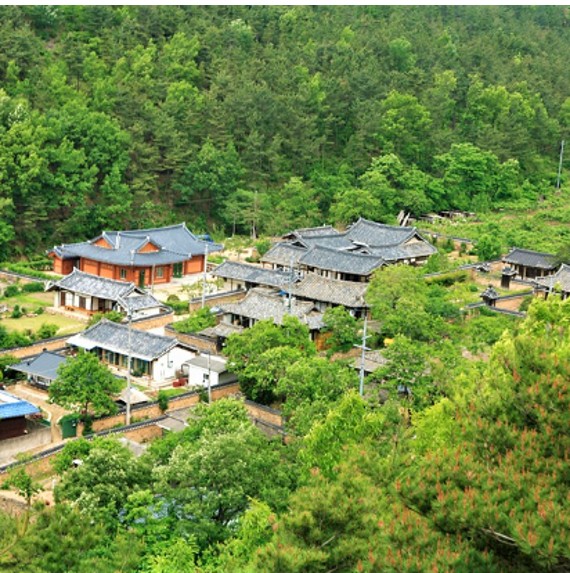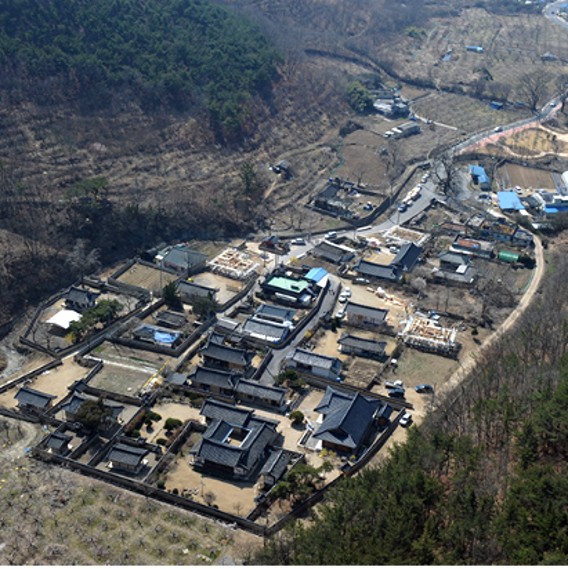
Built after scholar Daeam Choi Dong-jip settled in Otgol in 1616 during the reign of King Injo of Joseon, it is the oldest surviving Joseon-era residence in Daegu. The main quarters were built in 1630. The Dongsan Seowon Confucian academy, originally established to honor Baekbulam Choi Heung-won, was demolished in 1868. The materials from its demolition were used to rebuild the guest quarters. The complex also includes the Bobondang Hall and the Posa kitchen, built for ancestral rites, as well as the Beolmo and Gamyo shrine for the eternal spirit tablet.
The Bobondang Hall, built in 1753, is located to the right of the living quarters. The Posa, situated outside the eastern wall of the Bobondang Hall, was where ritual foods were prepared. Among the two shrines behind the Bobondang Hall, the Beolmyo enshrines the spirit tablet of Choi Dong-jip, while the Gamyo enshrines the spirit tablet of scholar Choi Heung-won from the reign of King Jeongjo of Joseon and the spirit tablet of the fourth-generation head of the clan. The Gyeongju Choi Clan Ancestral Home in Dunsan-dong, Daegu, where the living quarters, study hall, shrines, and many other buildings harmoniously coexist, serves as invaluable material for researching Joseon-era Yangban residences and their lifestyle.
Gyeongju Choi Clan Ancestral Home in Dunsan-dong, Daegu
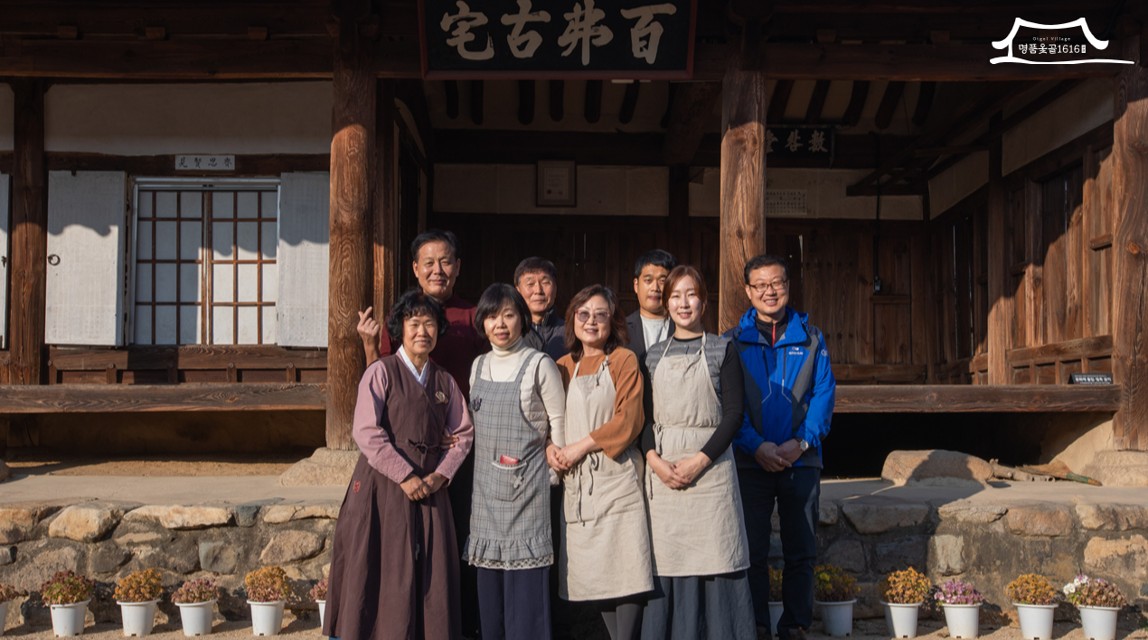
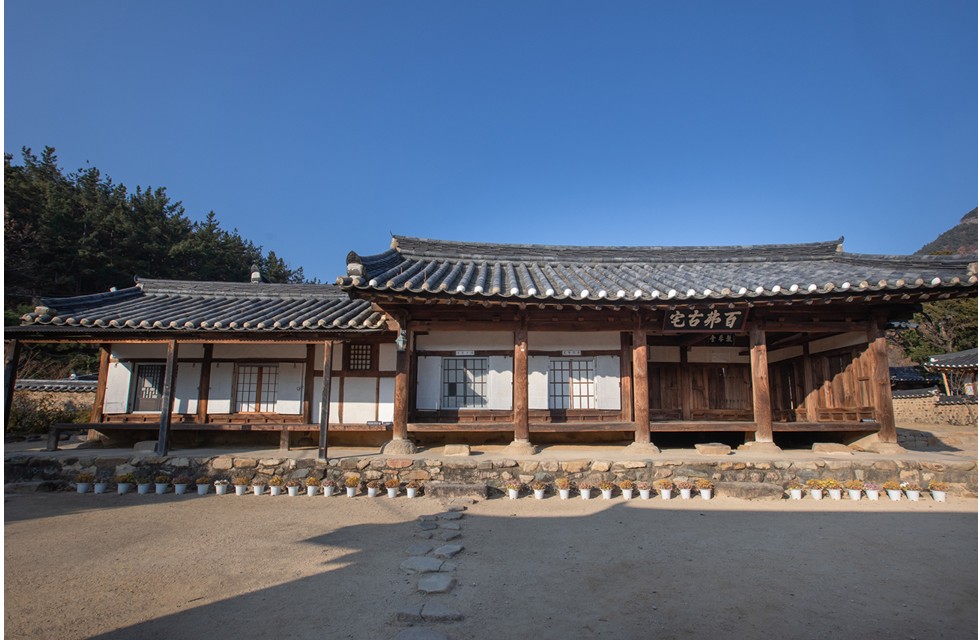
Baekbul Old House, located in Otgol Village, Dong-gu, Daegu, is the ancestral home of the Gyeongju Choi clan. Built in 1694 (the 20th year of King Sukjong's reign), it is the oldest upper-class residence in the Daegu area and is designated as National Folk Cultural Heritage No. 261.
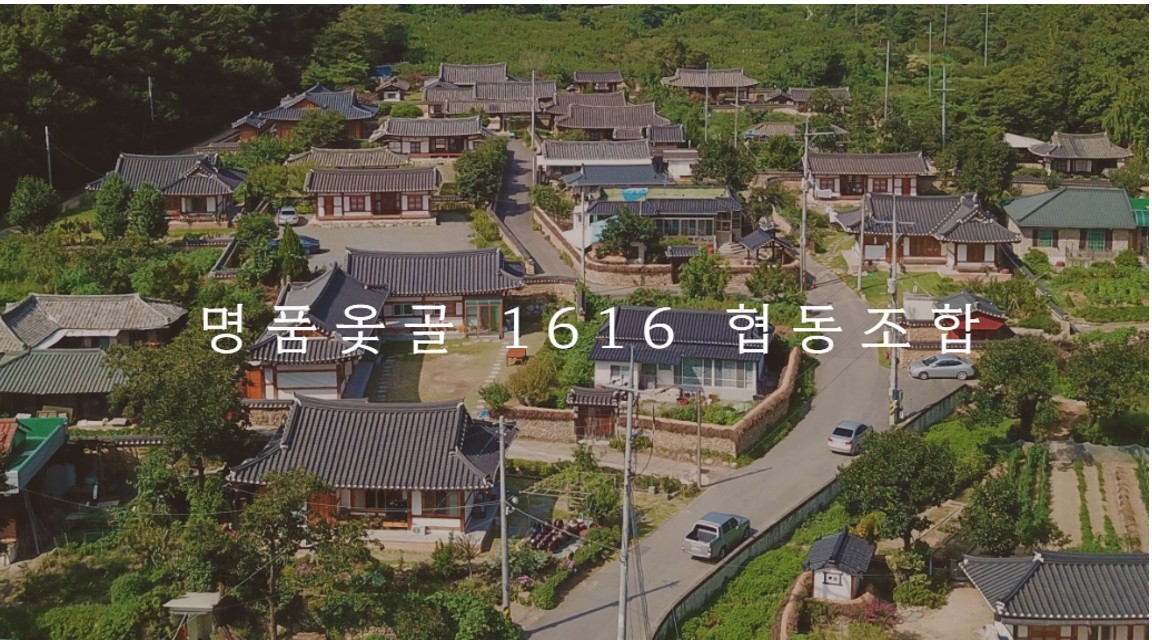
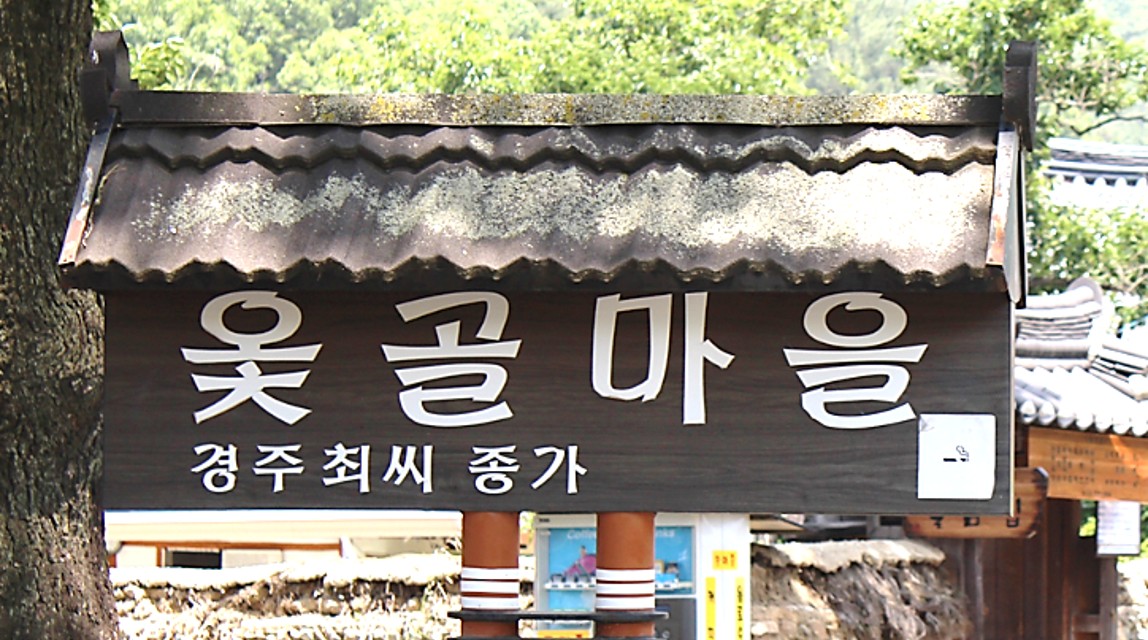
Otgol Village is a clan village of the Gyeongju Choi clan formed when the mid-Joseon scholar Daeam Choi Dong-jip settled there; over 20 traditional houses remain today. Among them, Baekbul Old House is the ancestral home built by Choi Gyeong-ham, grandson of the founding ancestor Choi Dong-jip, and takes its name from the pen name of his descendant, the scholar Baekbulam Choi Heung-won.
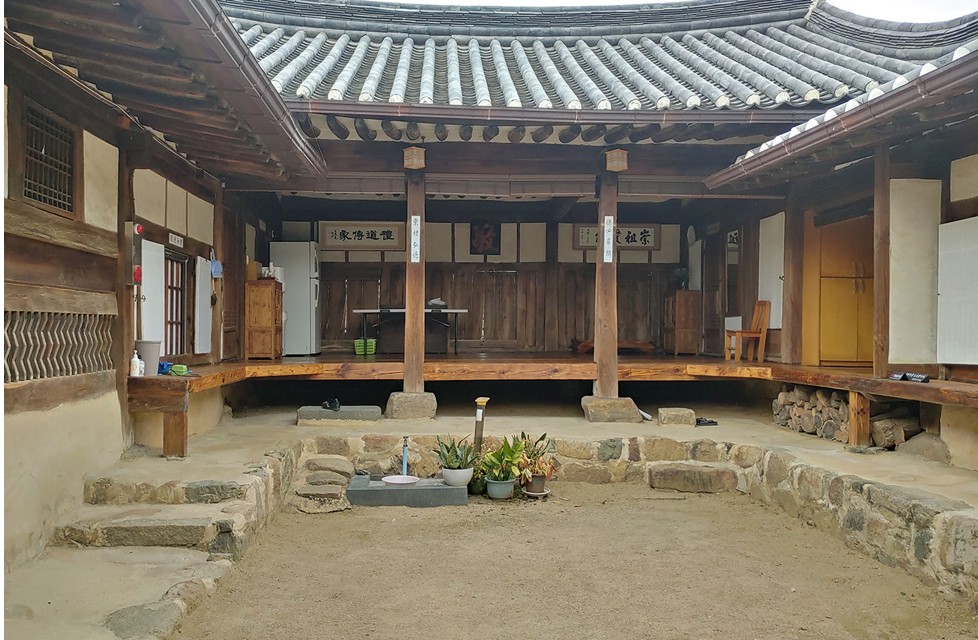
The buildings form a square layout combining a U-shaped main hall with a linear guest quarters. To the right are spaces for ancestral rites, including the family tomb, separate tomb, and the Bobondang hall.
The mai hall and family tomb were built in 1694, the separate tomb and ancestral hall in 1742, and the guest quarters were reconstructed in 1905. This architectural composition transcends a simple residential space, embodying both the status of the ancestral home and its ritual functions, making it a quintessential example of traditional Korean architecture.
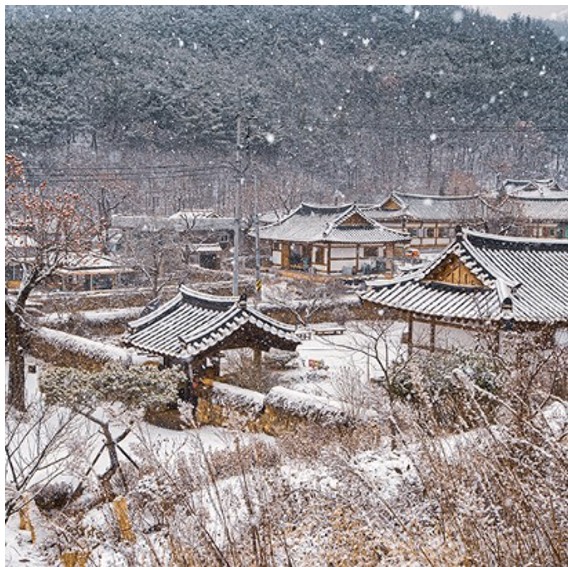
Baekbul Old House is not merely an old house; it is a historical space showcasing the spirit and way of life of the Gyeongju Choi clan's ancestral home. At the entrance to Otgol Village, a 350-year-old zelkova tree and a Chinese scholar tree stand as protected trees, welcoming visitors while praying for the village's peace and prosperity. Inside the old house and its surroundings, tranquil stone-paved paths blend with traditional houses, offering a close-up experience of the life of a Joseon-era Yangban family.
Today, Baekbul Old House is open to the public with guided tours by cultural tourism interpreters, serving as a major attraction drawing domestic and international tourists to Otgol Village. Preserving traditional architectural beauty and unique historical value, Baekbul Old House stands as a representative cultural heritage site of Daegu and is an essential destination for visitors to Otgol Village.