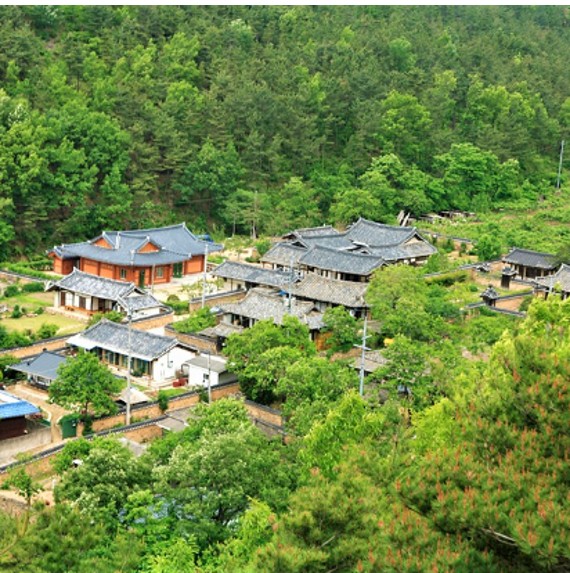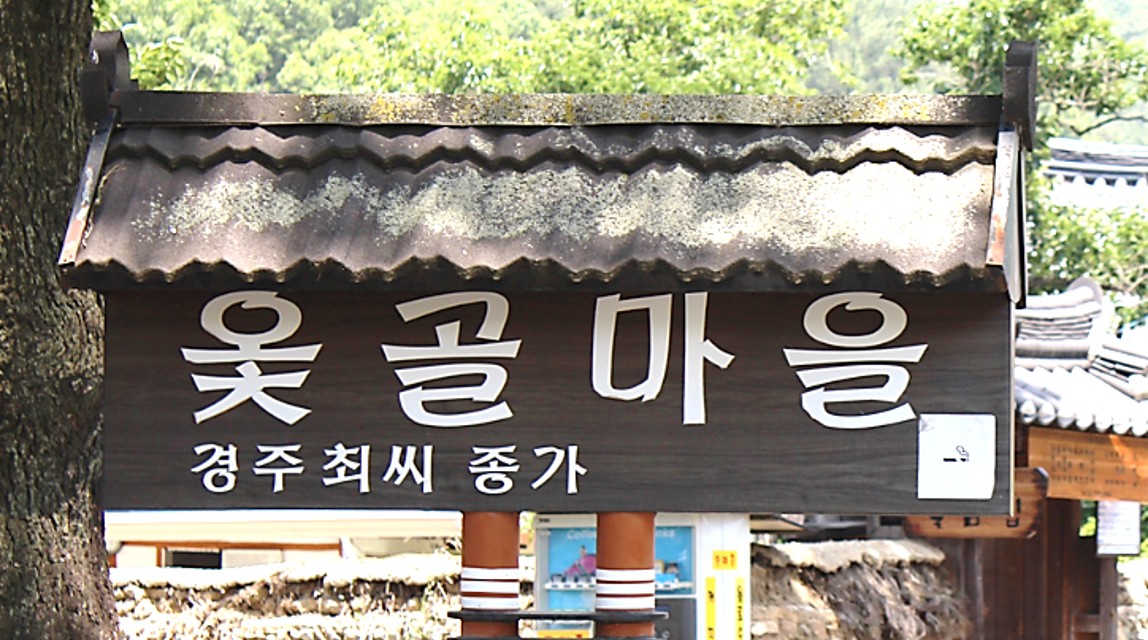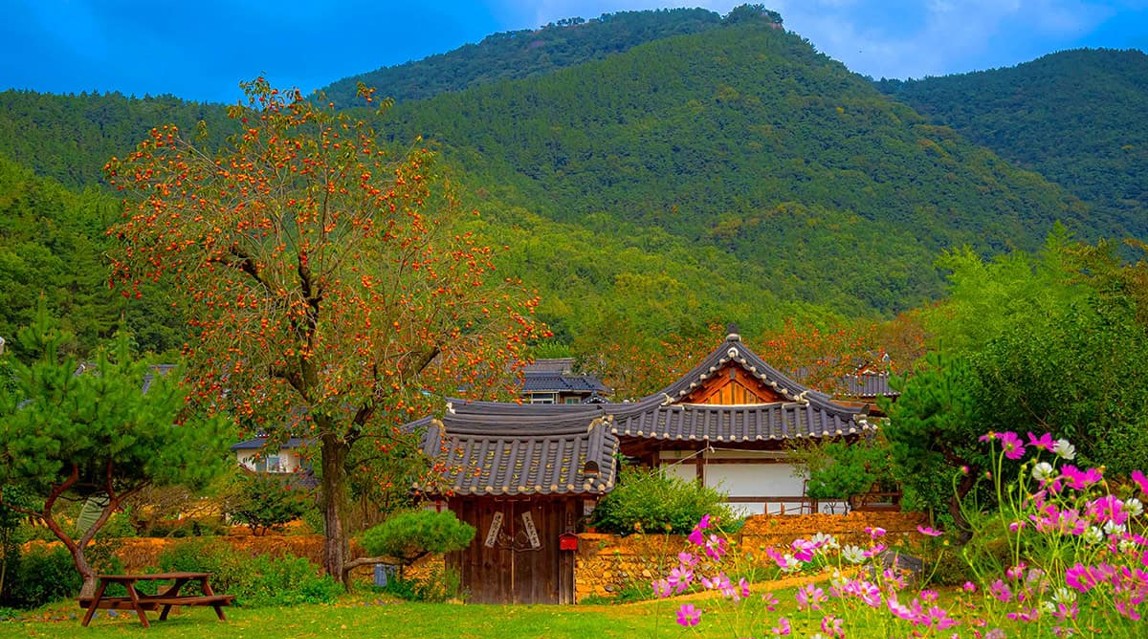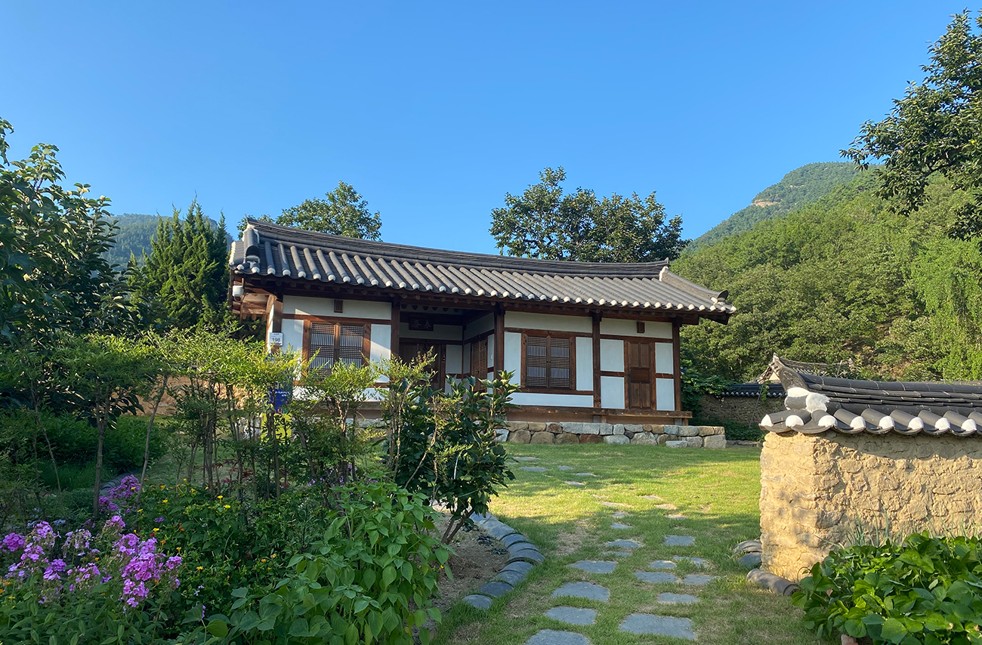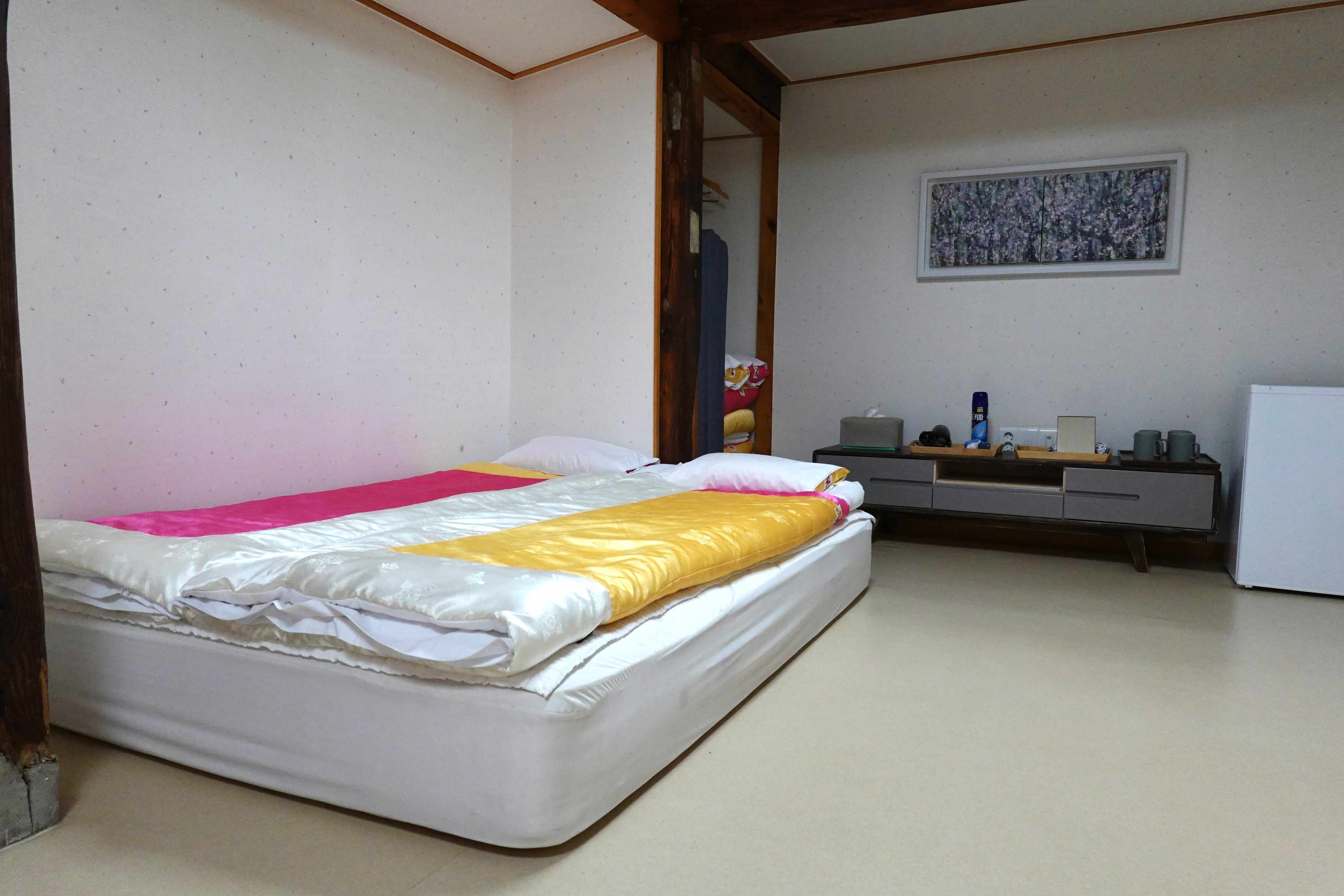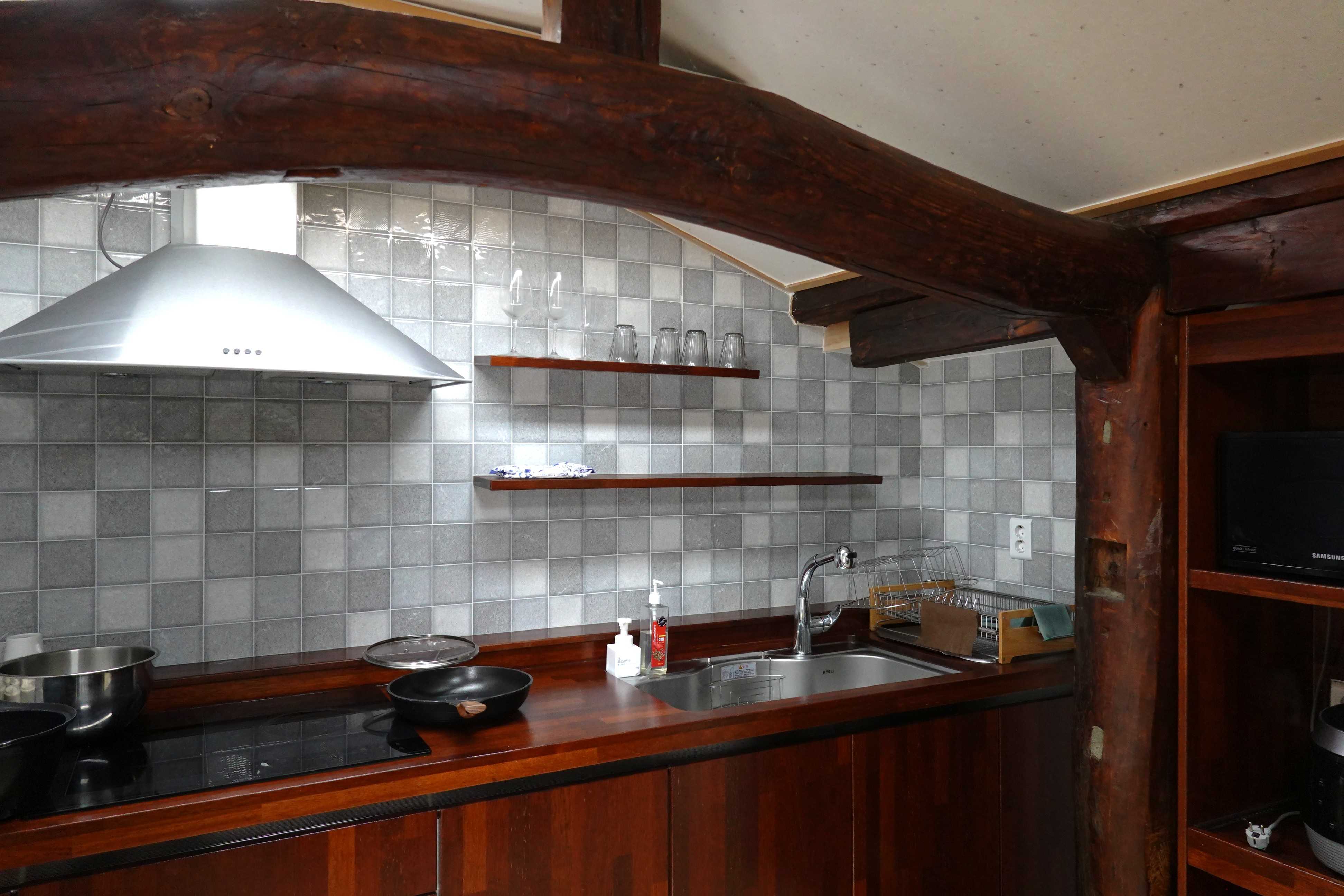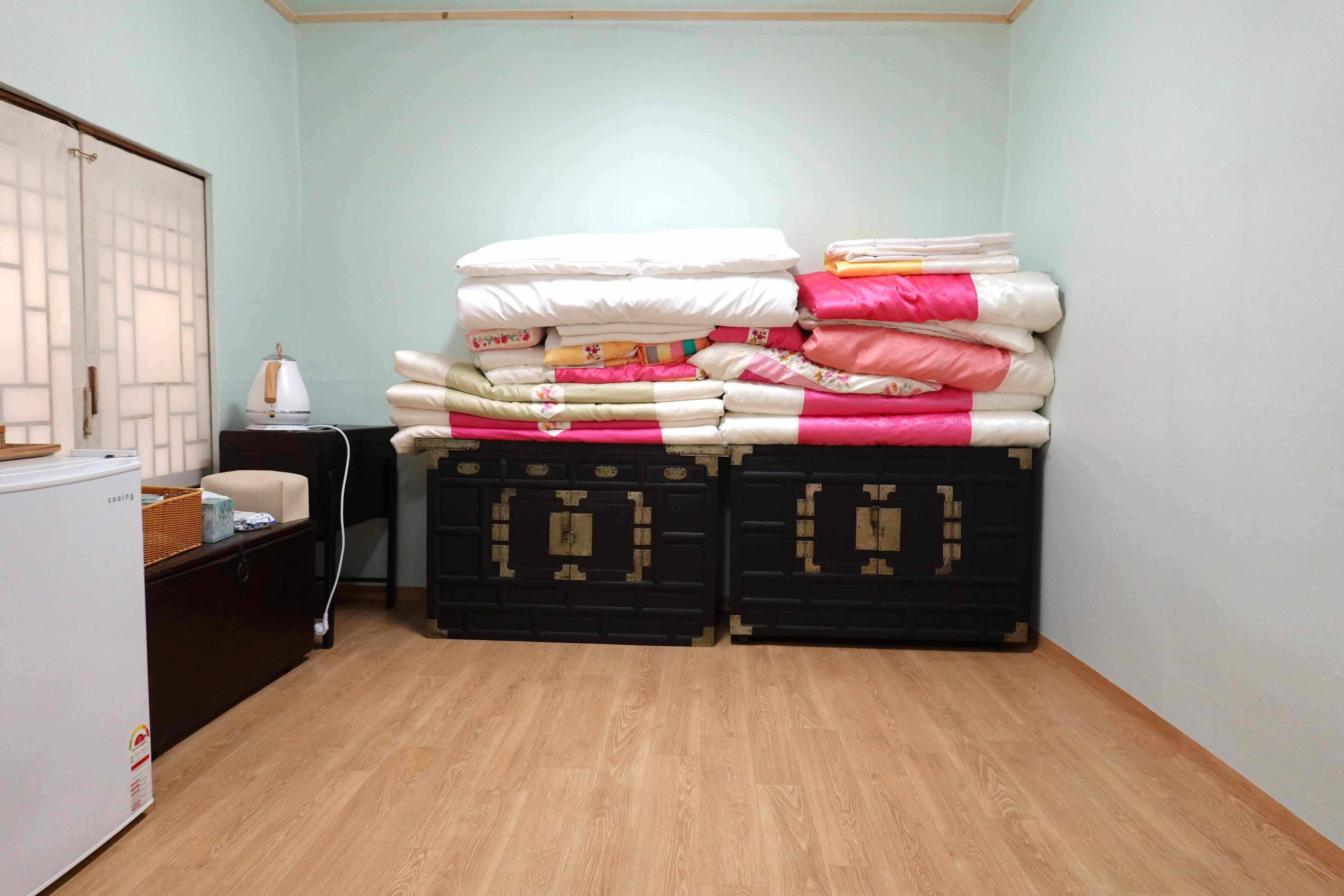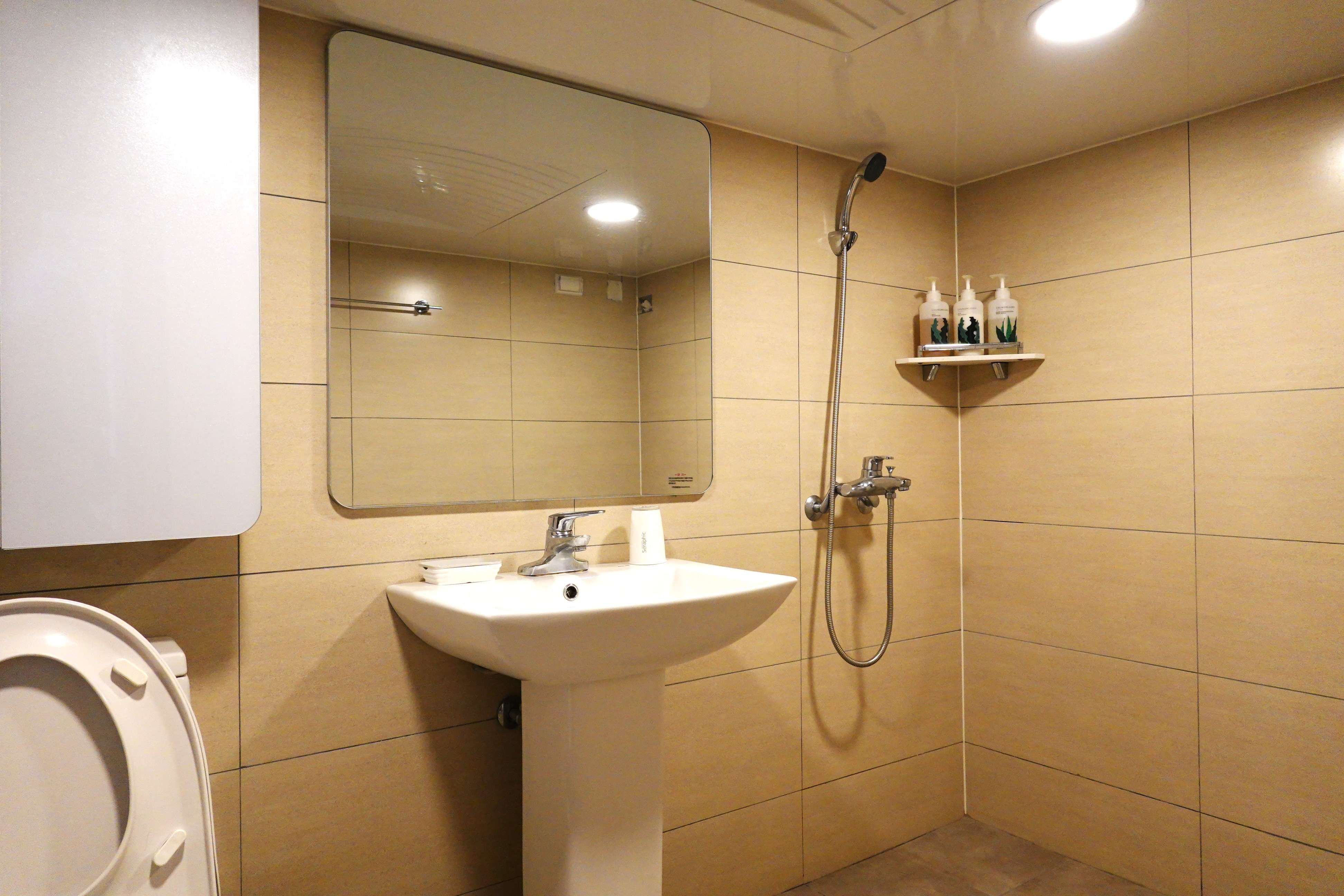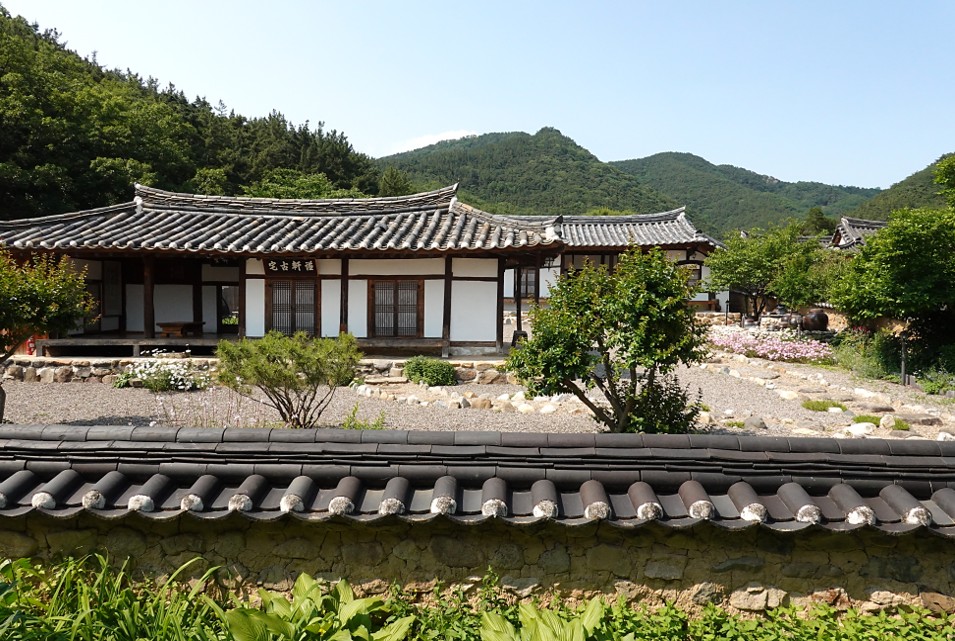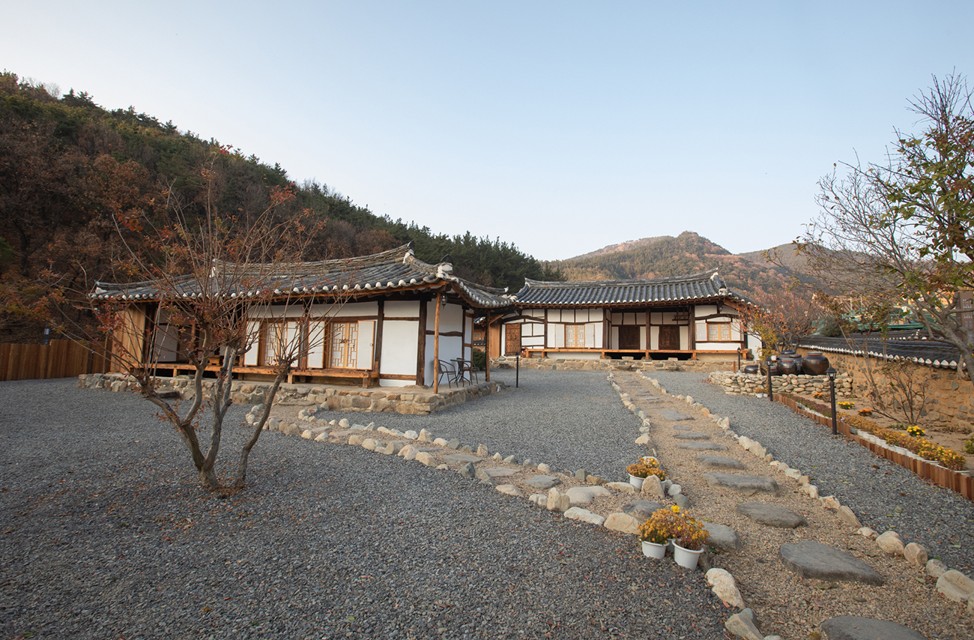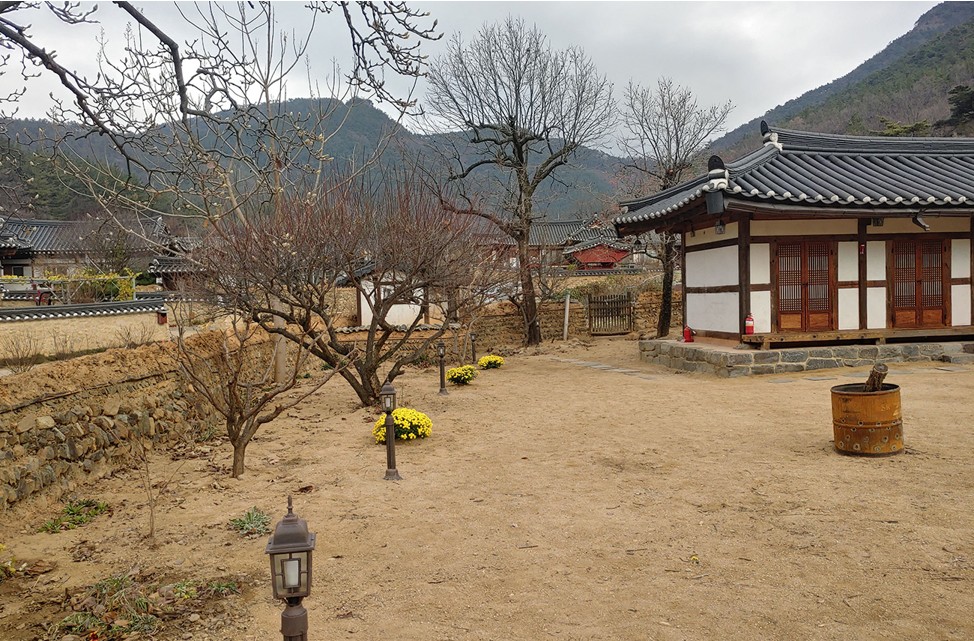
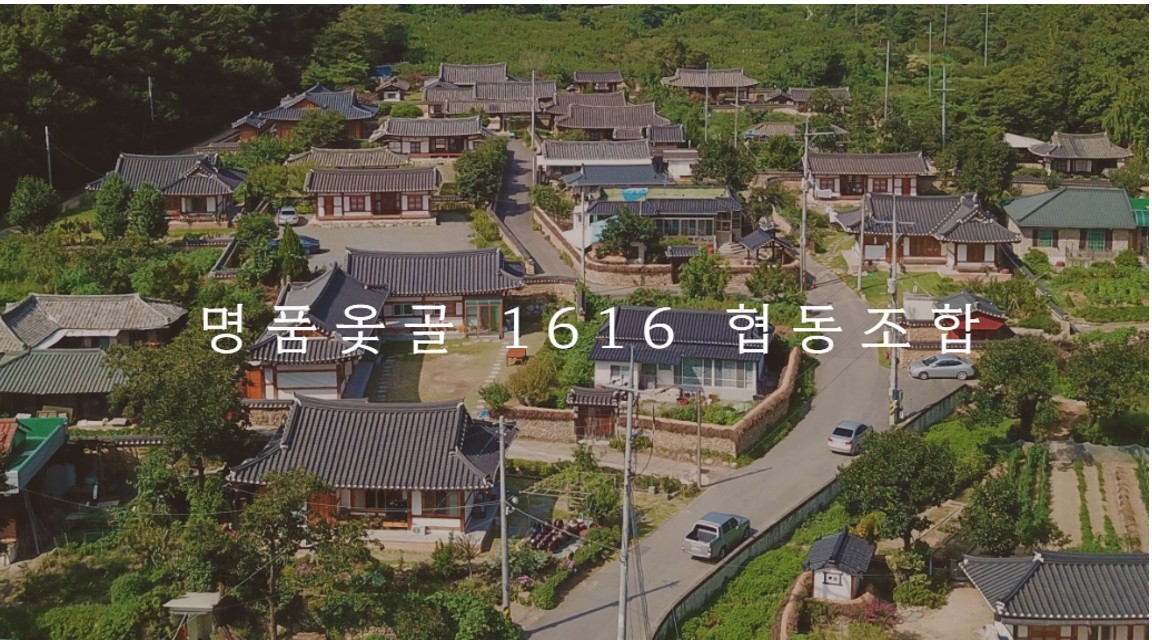
Located in Dunsan-dong, Dong-gu, Daegu, Otgol Village derives its name from its geographical setting: mountains encircle three sides of the village except the south, and the surrounding hills and fields are abundant with lacquer trees. In 1616 (the 8th year of King Gwanghae's reign), the scholar Daeam Choi Dong-jip of the mid-Joseon period settled here, forming a clan village of the Gyeongju Choi family.
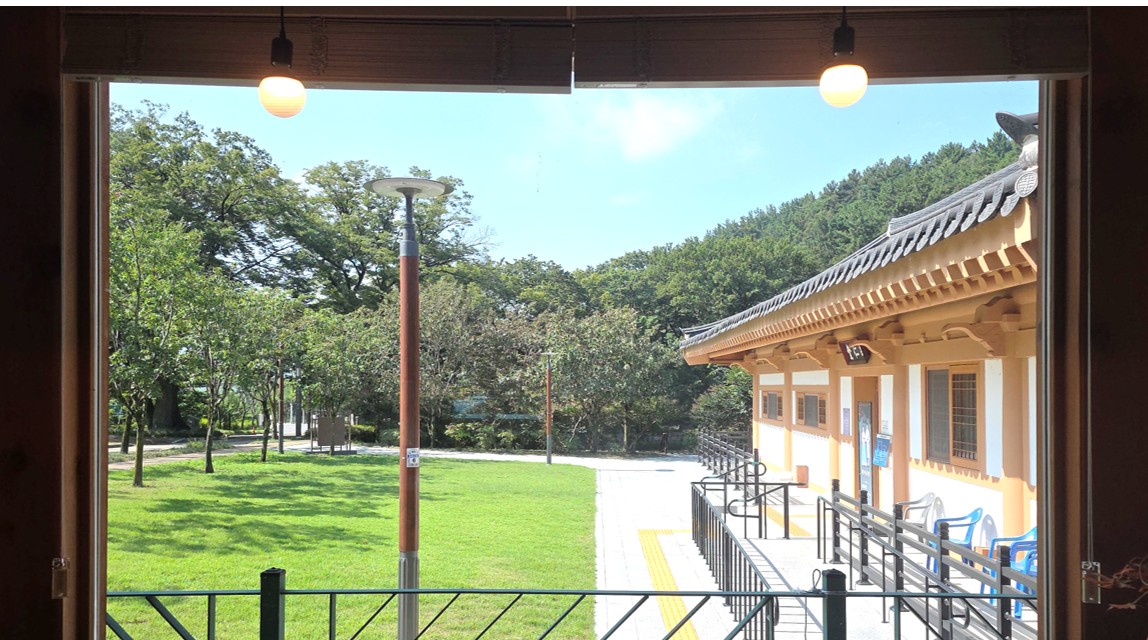
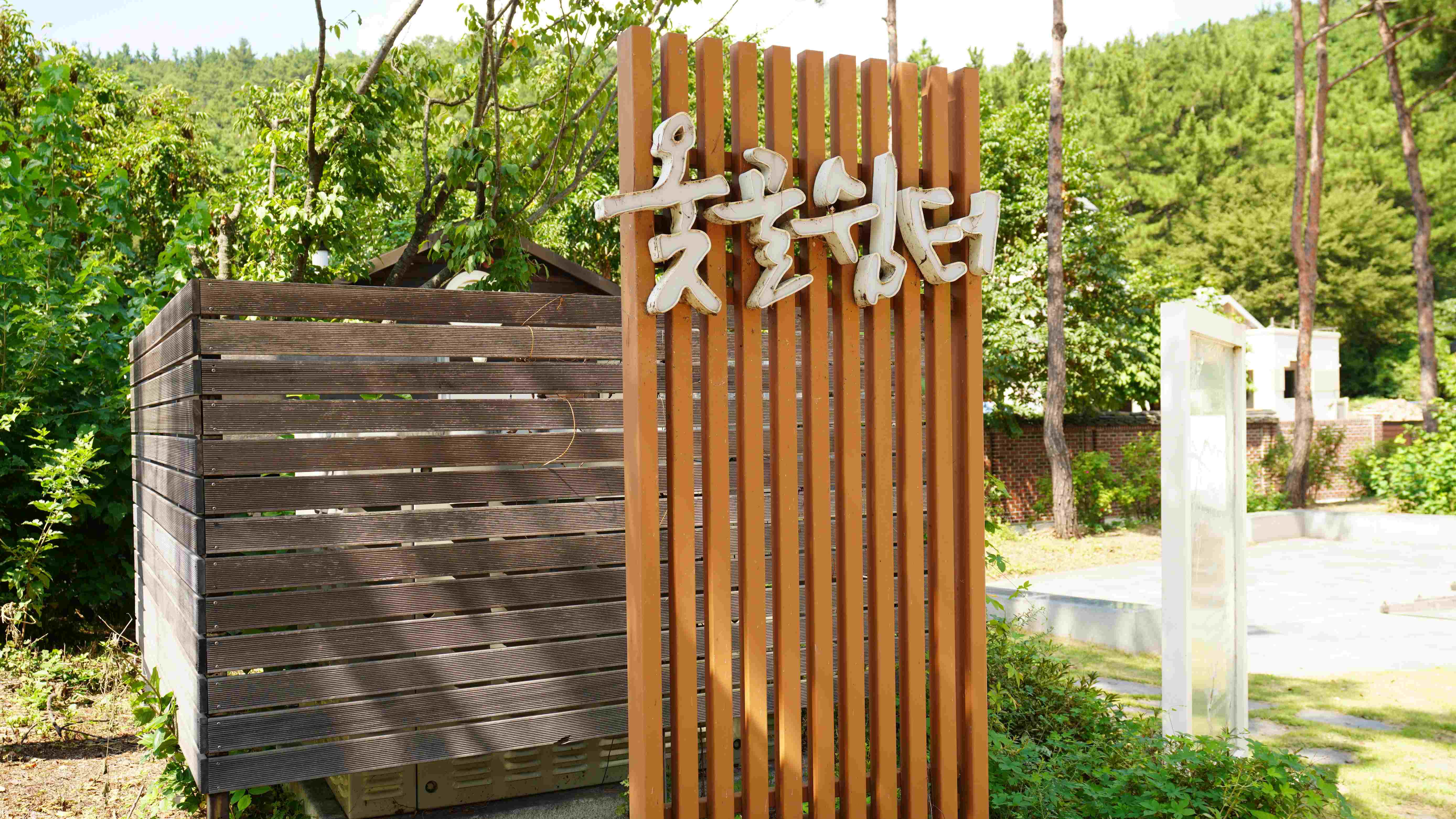
The first thing you see on the road leading to the village is a zelkova tree estimated to be over 400 years old. Designated as a protected tree, it stands tall. As the village site is higher than the surrounding area, offering a clear view of the Geumho River tributary, a forest was planted in front of the village to block negative energy from entering. Passing the resting area by the pond and under the tree shade marks the true beginning of Maol.
Entering the village entrance, two massive zelkova trees, also over 400 years old, greet visitors. They are said to have been planted to pray for the village's peace and prosperity, and they reach a height of 12 meters.
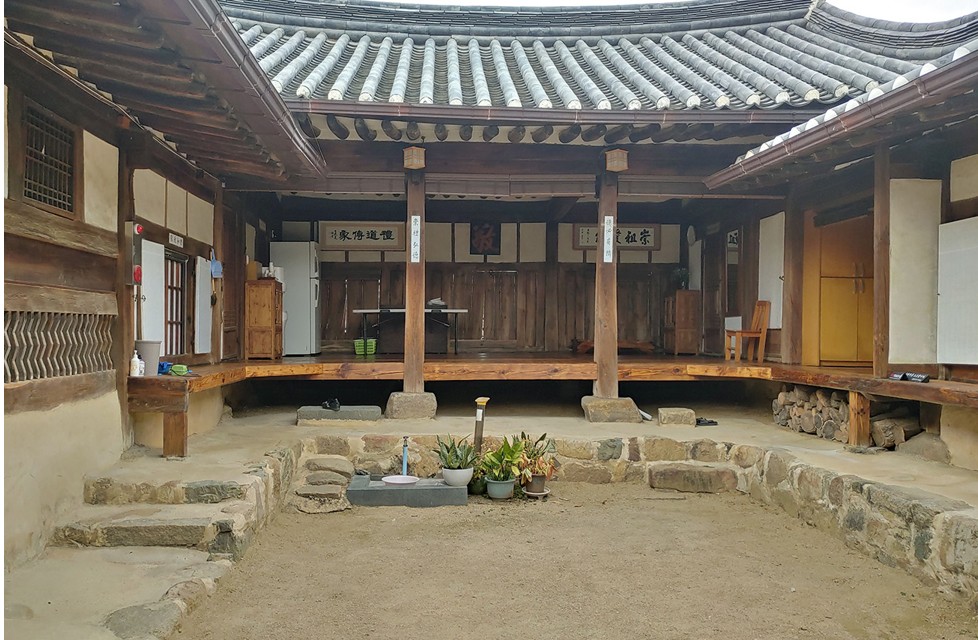
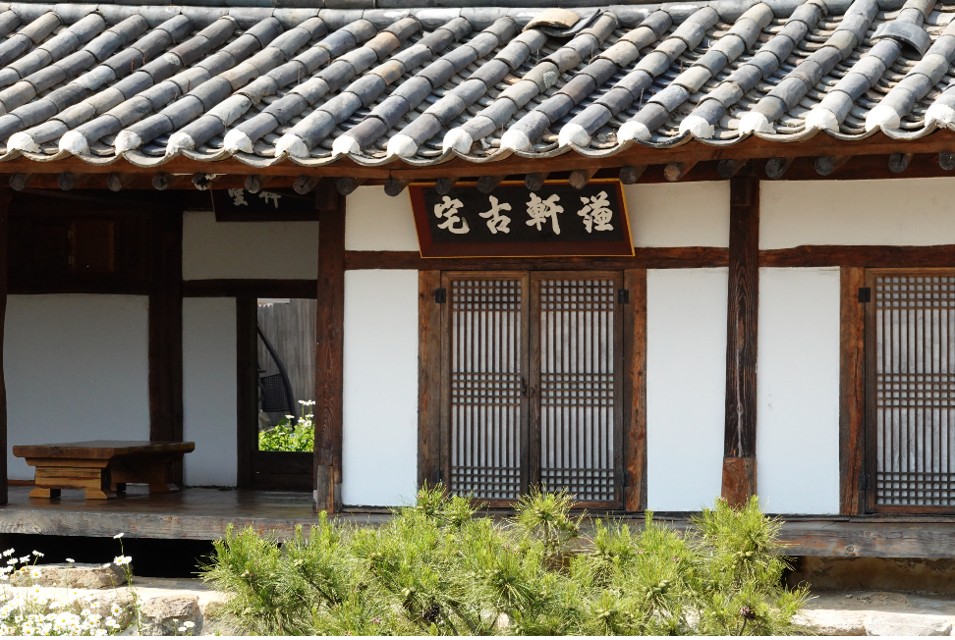
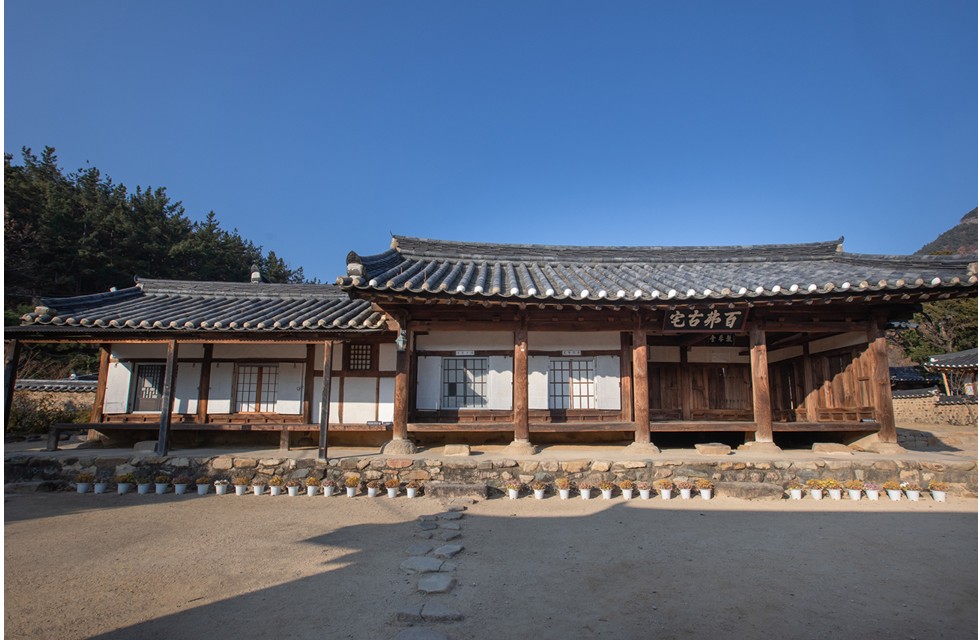
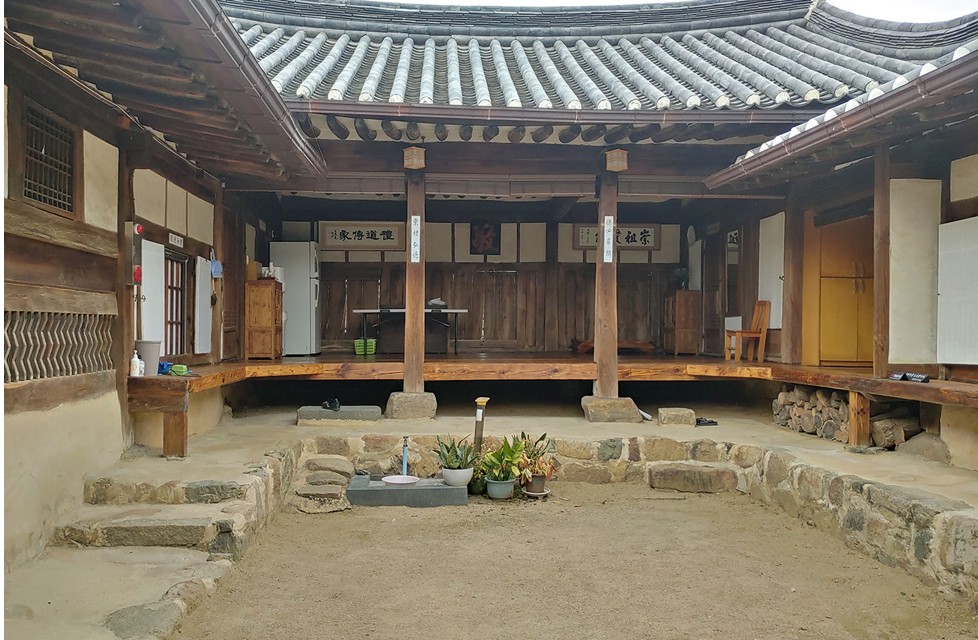
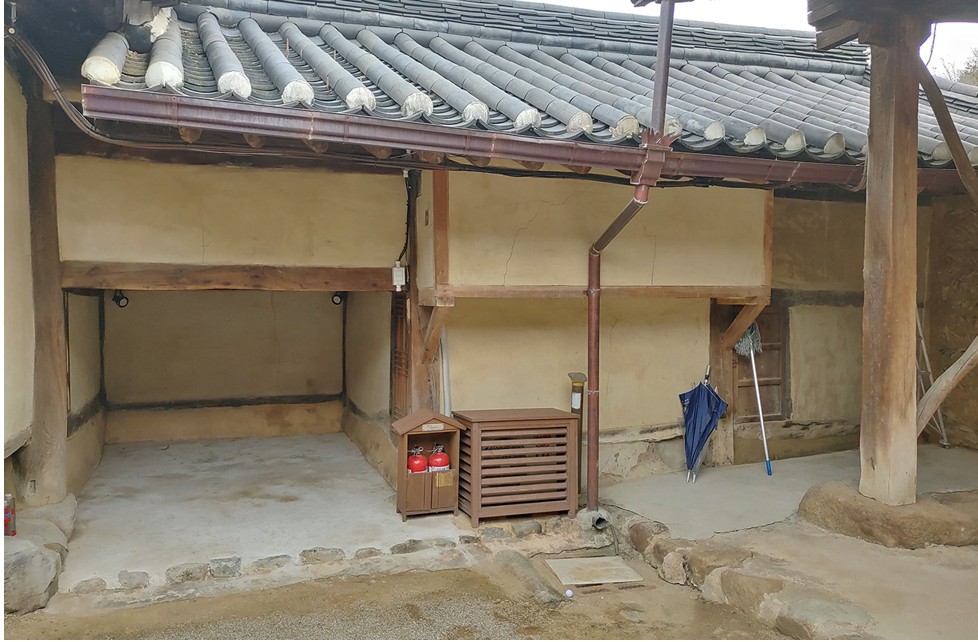
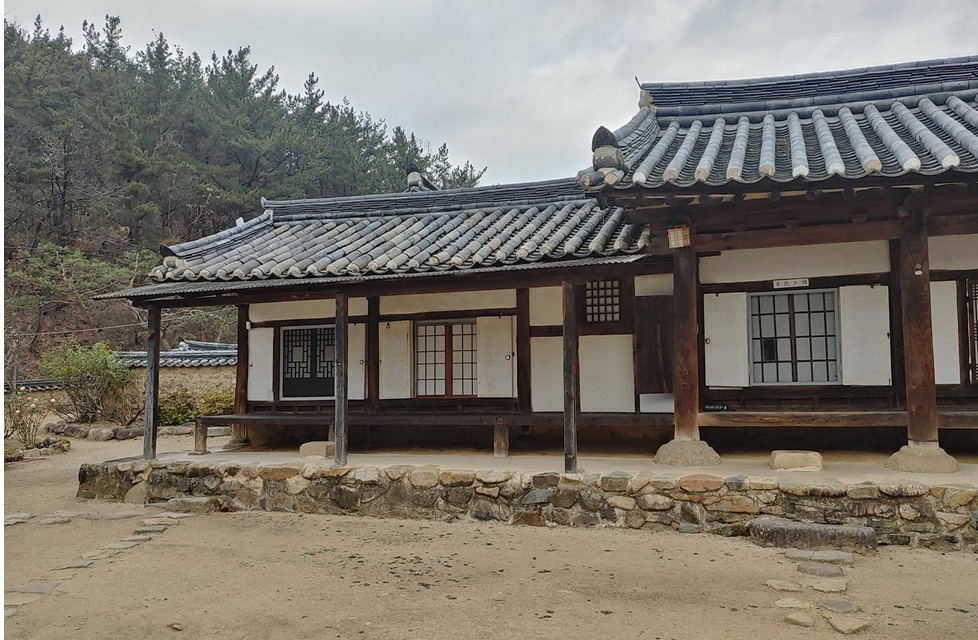
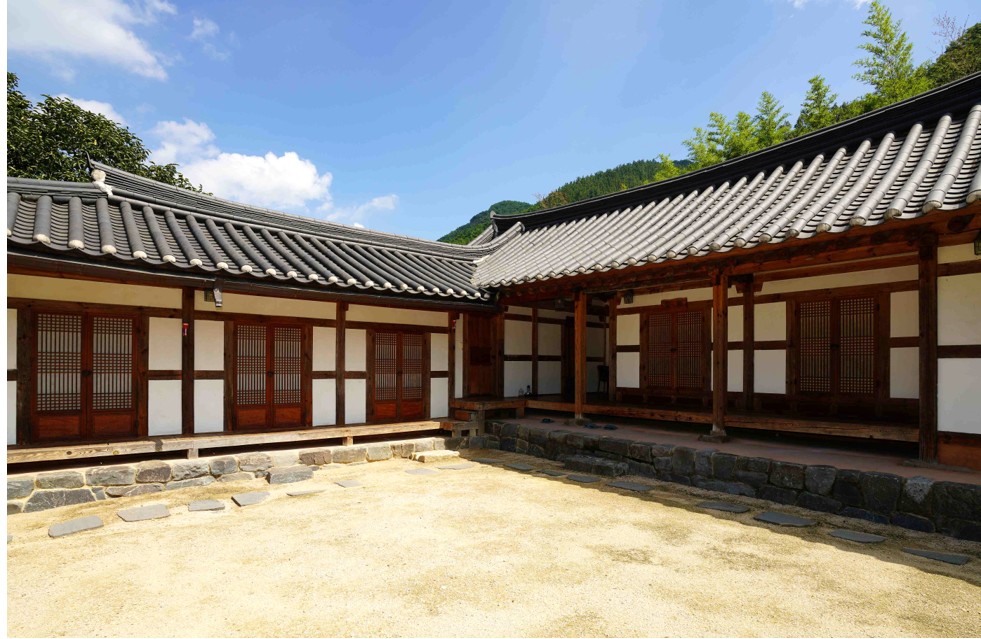
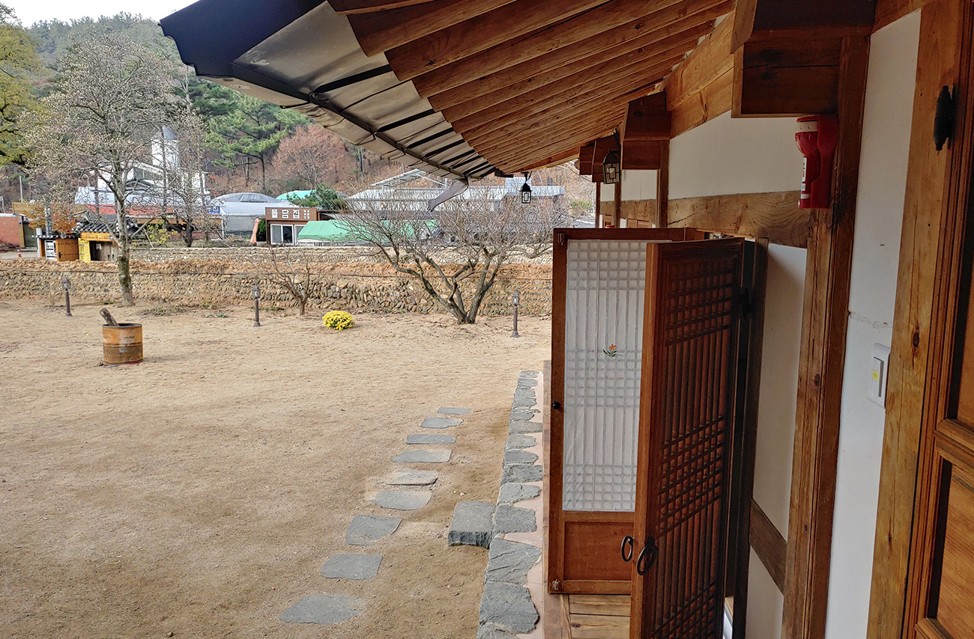
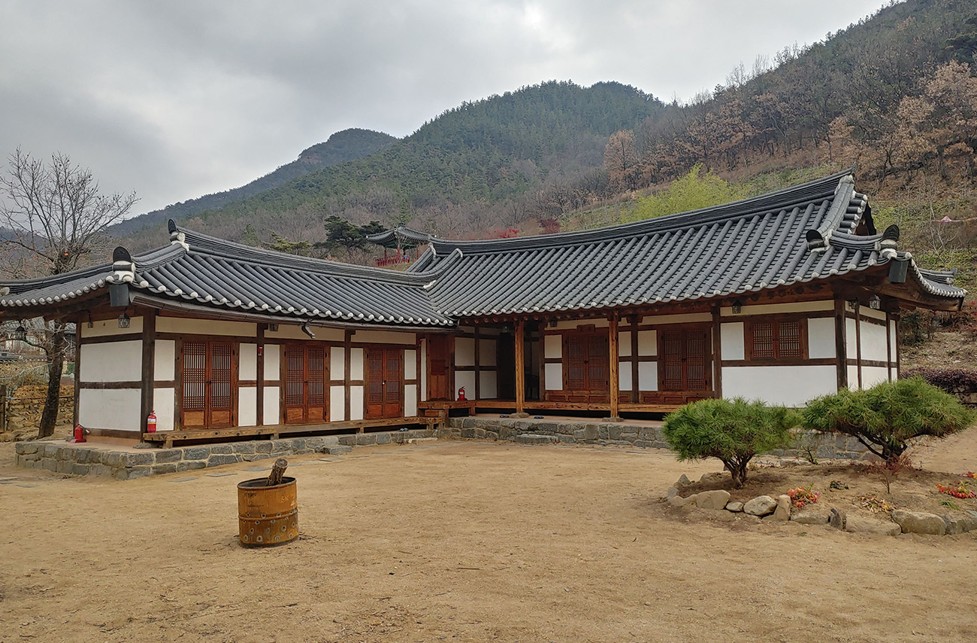
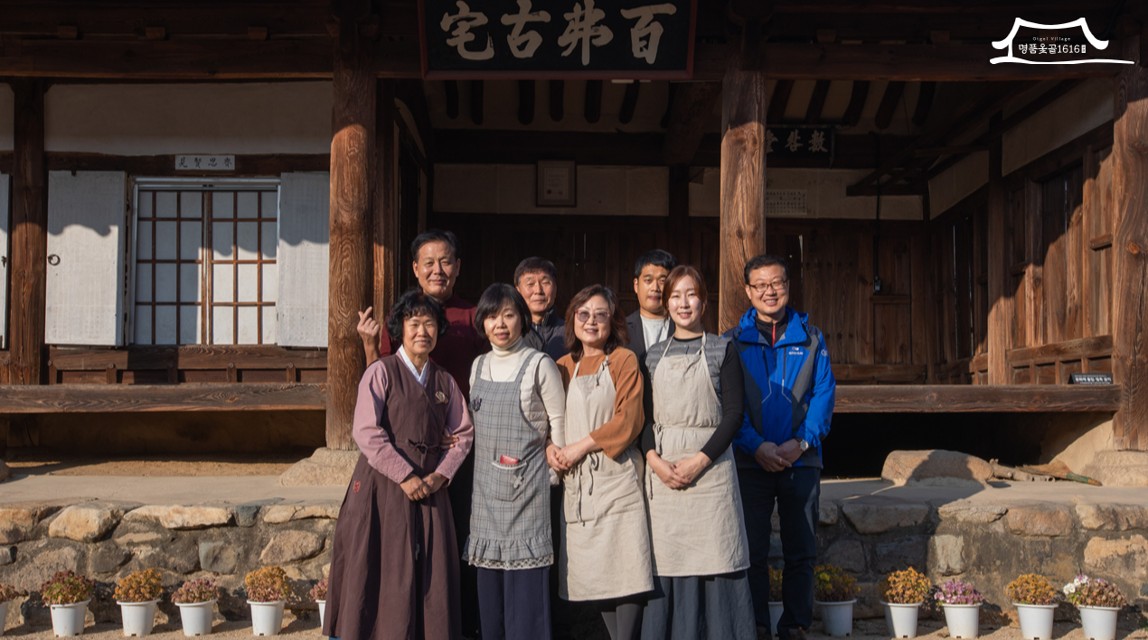
Baekbulam Old House, the ancestral home of the Gyeongju Choi clan, is located at the very heart of the village. Built in 1630 by Choi Dong-jip, the founding ancestor of the clan, it is the oldest residential building among houses in the Daegu region. Baekbulam is the pen name of Choi Heung-won, a scholar during the reigns of King Jeongjo and King Yeongjo of the Joseon Dynasty. This house is currently designated as National Folk Cultural Heritage No. 261. Upon entering the main gate, the men's quarters and women's quarters are arranged in a ‘square’ shape. To the right of the house stands the Bopondang Hall. Built in 1753 for ancestral rites honoring the founding ancestor Daeam, it consists of a shrine, a ritual hall, and a kitchen for food preparation. During the Korean War, the Bobondang served as a temporary school. It is also where Baekbulam first proofread the Ban-gyesurok(A collection of jotting). Following the earthen wall path leads to the Jeongryeak Pavilion. Erected in 1789 by order of King Jeongjo to honor the filial devotion of Baekbulam Choi Heung-won, the pavilion houses the red plaque bestowed by the king.
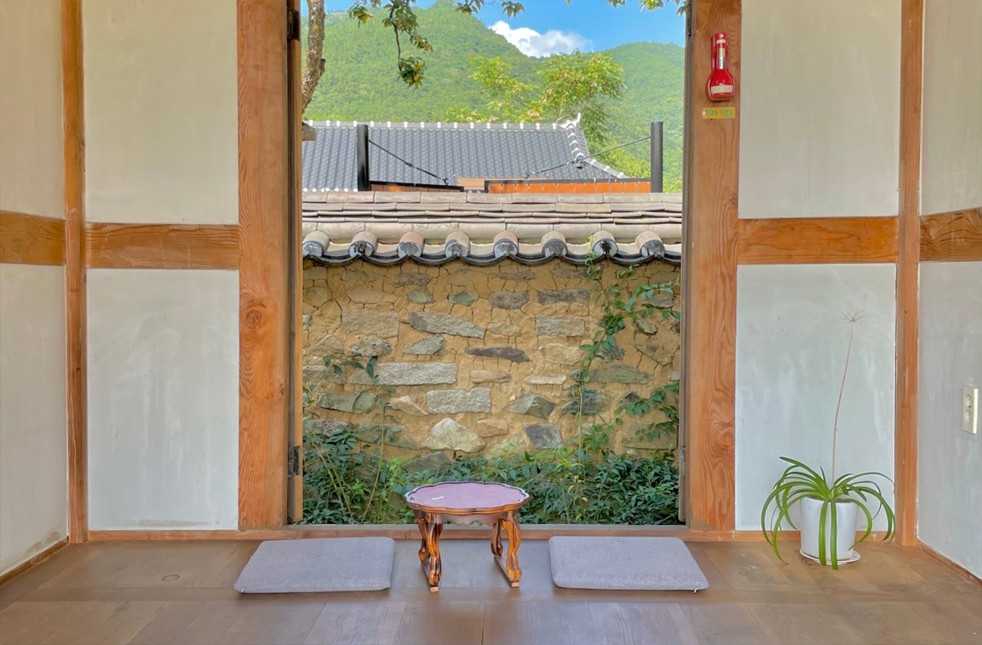
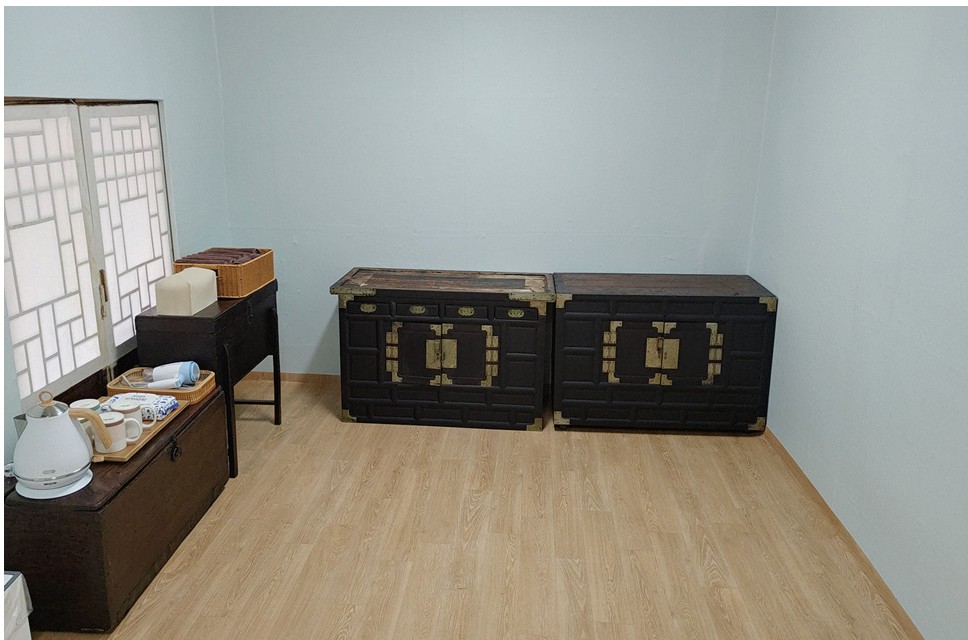
Otgol Village is a beautiful village where approximately 2.5km of earthen and stone walls remain. The Sungmogak Hall at Baekbulam Old House preserves various artifacts, including documents bestowed by King Jeongjo praising the achievements of Baekbulam Choi Heung-won, ancient books and nameplates passed down through the main family line, a folding screen depicting Toegye's Ten Diagrams of Confucian Learning, and ritual vessels.