Mr. Choi Jong-eung (1873–1943), whose courtesy name was Seongmun and pen name Geumjeon, was a sixth-generation descendant of Baekbulam Choi Heung-won, a prominent figure of the Yeongnam Samro literary circle. He was also the nephew of Choi Si-gyo, the Daegu representative of the Confucian scholars during the National Debt Repayment Movement. In 1920, Mr. Choi Jong-eung was appointed by the Provisional Government of the Republic of Korea as the Gyeongbuk Regional Fundraiser for the independence movement. Alongside figures like Go Jeong-il, Yun Cheol, and Lee Tae-hun, he traveled throughout Gyeongsang, Chungcheong, and Jeolla provinces to raise military funds, actively rallying comrades and securing financial support. That same November, he received 8 million won in independence movement funds from individuals including Jo Seok-hwan and delivered it to Go Il-chi, a Provisional Government envoy.
In February 1921, he received 3 million won in military funds from Yun Byeong-don and others residing in Chilgok County, Gyeongsangbuk-do, and delivered it to Lee Tae-un, a Provisional Government official. For this act, he was arrested by Japanese police and sentenced to three years in prison by the Daegu District Court on March 30, 1922, enduring imprisonment. The government posthumously awarded him the Order of Merit for National Foundation, Patriotic Order, in 1990 to honor his meritorious service.
Mr. Choi Jong-eung's birthplace
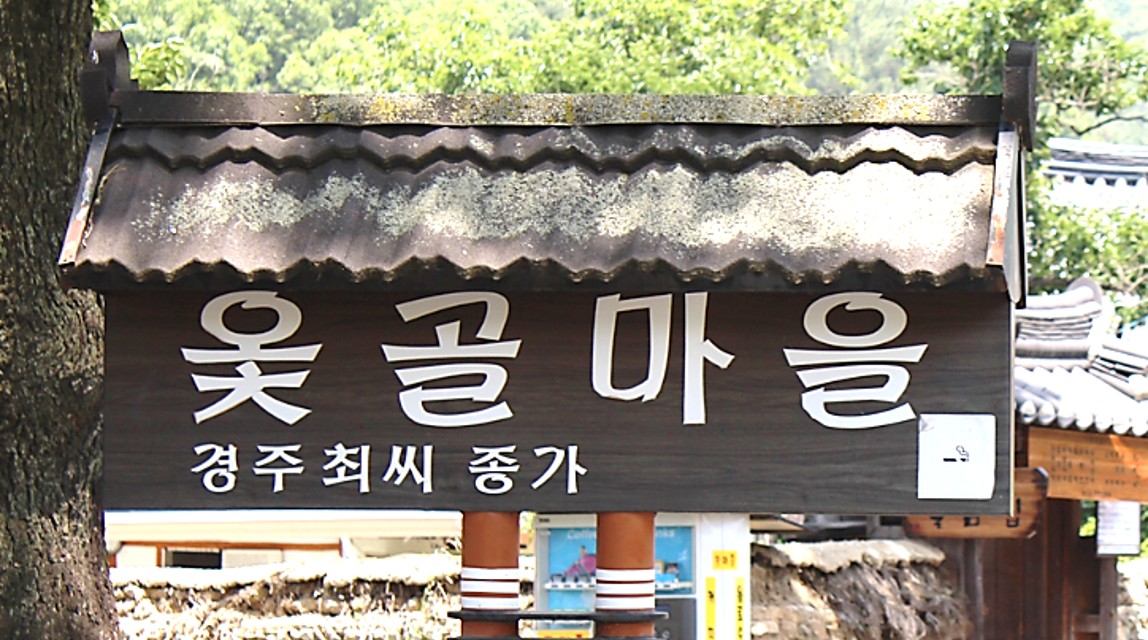
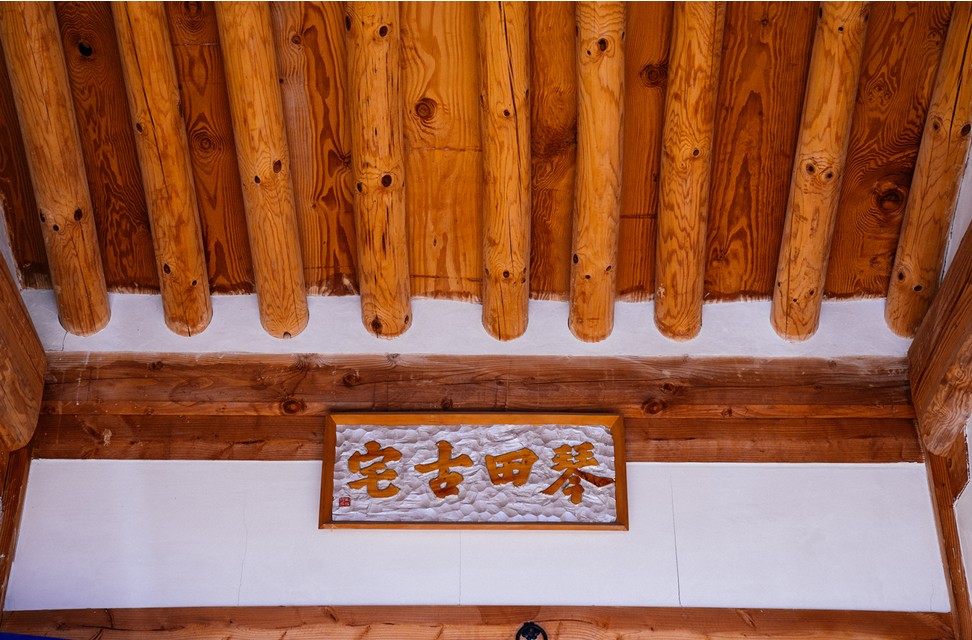
The Geumjeon Old House in Daegu's Otgol Village is the birthplace of independence activist Choi Jong-eung, a space preserving both historical significance and the beauty of traditional Korean architecture. Located on Ottgol-ro in Dong-gu, Daegu Metropolitan City, Geumjeon Old House is one of the representative old houses in Ottgol Village. This was the home of Mr. Choi Jong-eung (1873~1943), who served as the treasurer for the independence movement during the Provisional Government era and endured imprisonment. He is known as a descendant of Choi Chi-won of Baekbulam. His contributions were honored posthumously in 1990 with the Order of Merit for National Foundation, Medal of Patriotism.
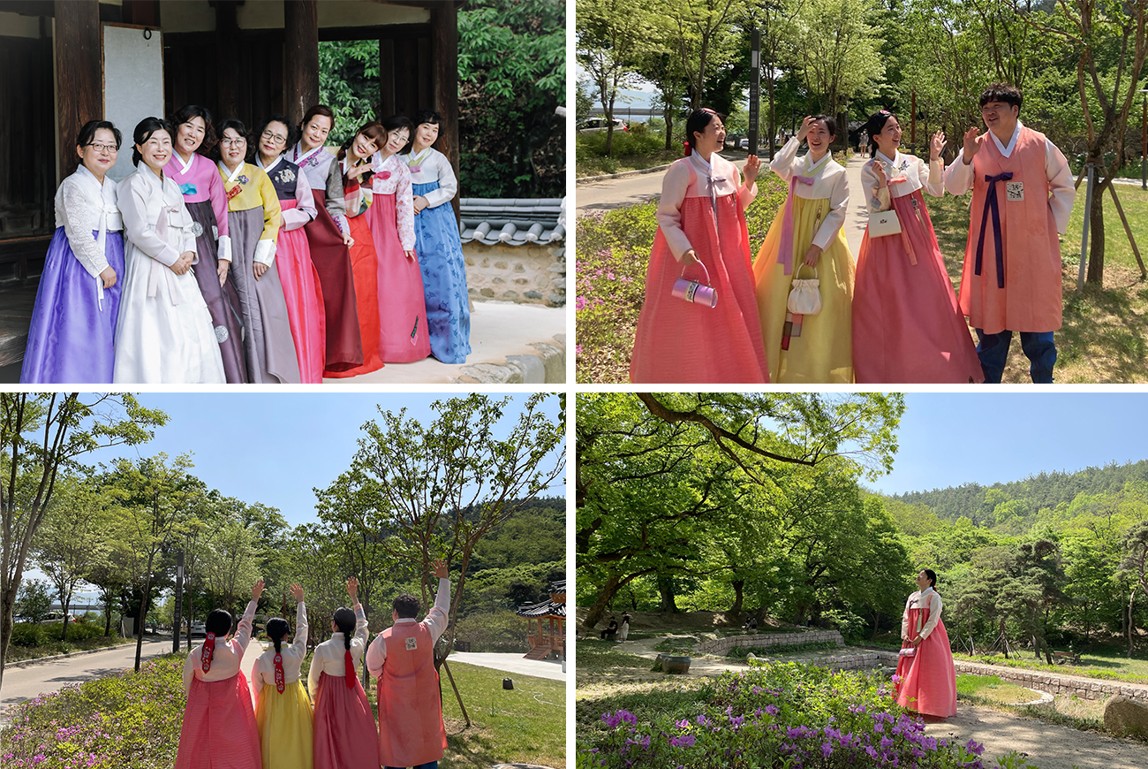
The house features a typical traditional hanok structure, characterized by its picturesque courtyard and a simple yet dignified building layout. With a floor area of approximately 13 pyeong (about 43 square meters), it offers two guest rooms—a formal room and a white room—accommodating up to six guests. The interior preserves traditional beauty while incorporating modern amenities for comfortable stays. Cooking and barbecue facilities are available, and the stay includes a village tour program, allowing visitors to experience the history and culture of Otgol Village.
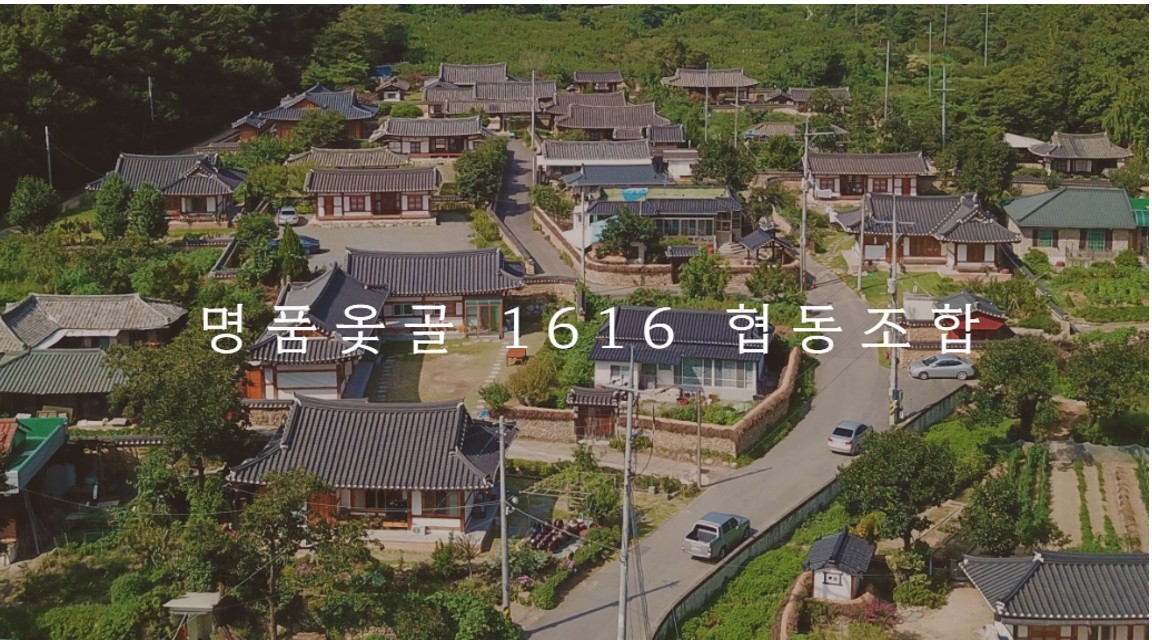
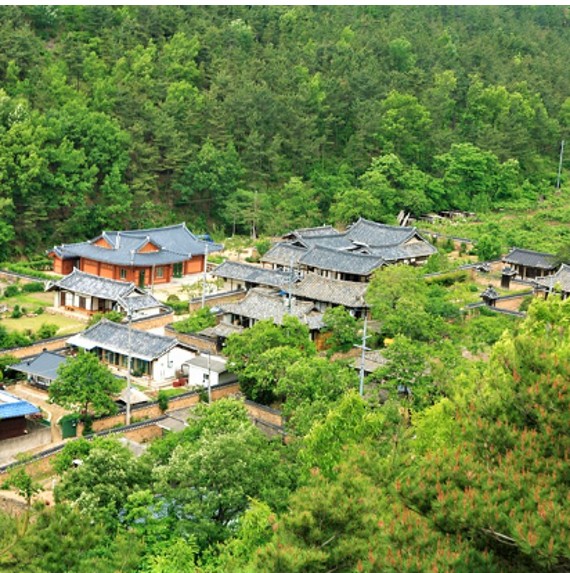
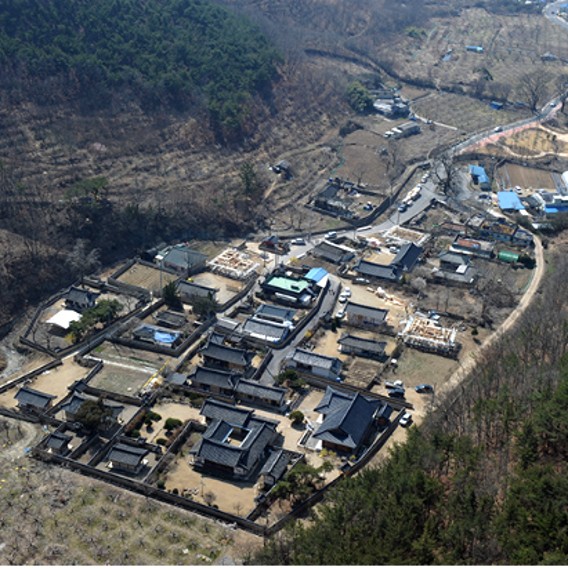
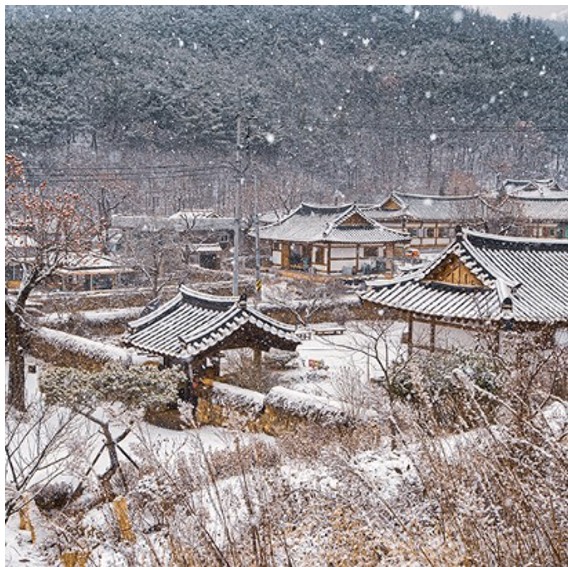
Otgol Village is a traditional village with over 400 years of history, well-preserved with several old houses including Geumjeon House. Especially during autumn foliage season, the serene scenery blending with the traditional houses makes it a popular spot for pleasant walks. Surrounding attractions like Gyeonggeuk House and Pyeonggwang-dong Apple Village offer diverse sightseeing and experiential spaces, providing travelers with abundant enjoyment.
Geumjeon House transcends being a mere lodging space; it is a living historical space where one can experience both the spirit of the independence movement and the value of traditional culture. It is a meaningful place well worth visiting when exploring Otgol Village.