The experiences at Otgol Village offer more than just a casual try—they provide a valuable opportunity to learn Korean traditions through hands-on participation. Discover why each experience is enjoyable and what you'll feel.
Hanbok Experience
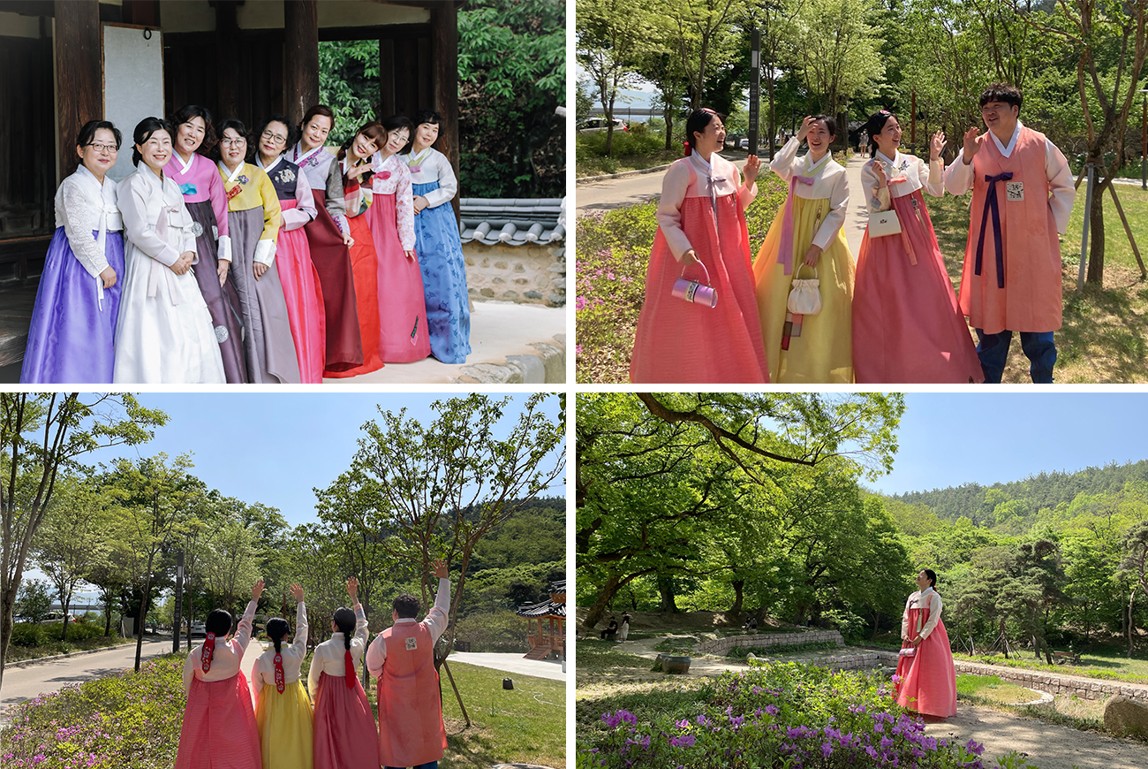
• Meaning: An experience to wear and feel the beauty of everyday life in the Joseon Dynasty.
• What's Included: Rental of traditional hanbok for men and women, accessories (hat, norigae, baeja, etc.), dressing assistance, and photo spot guidance.
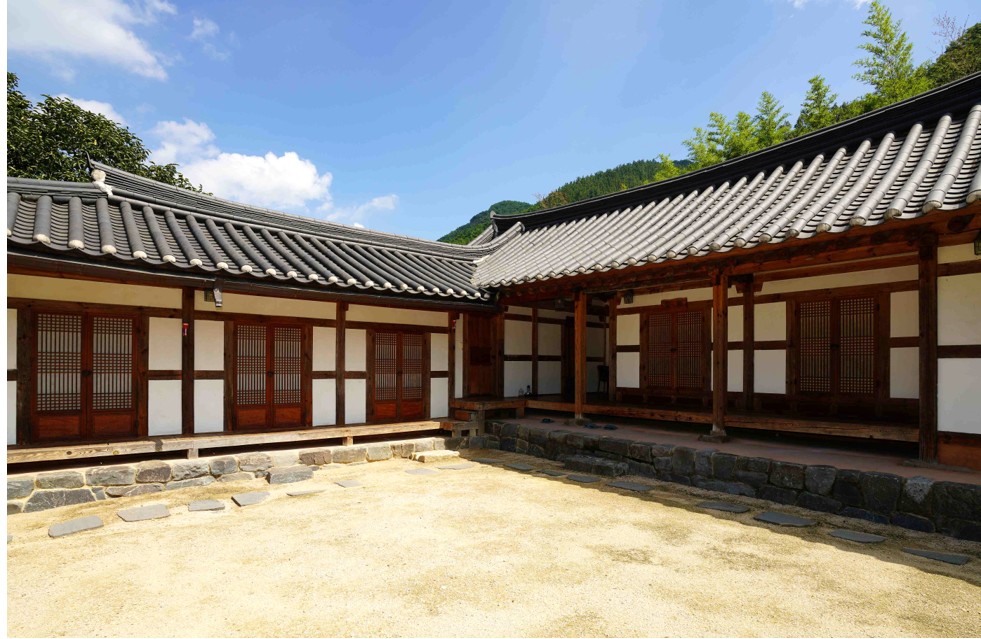
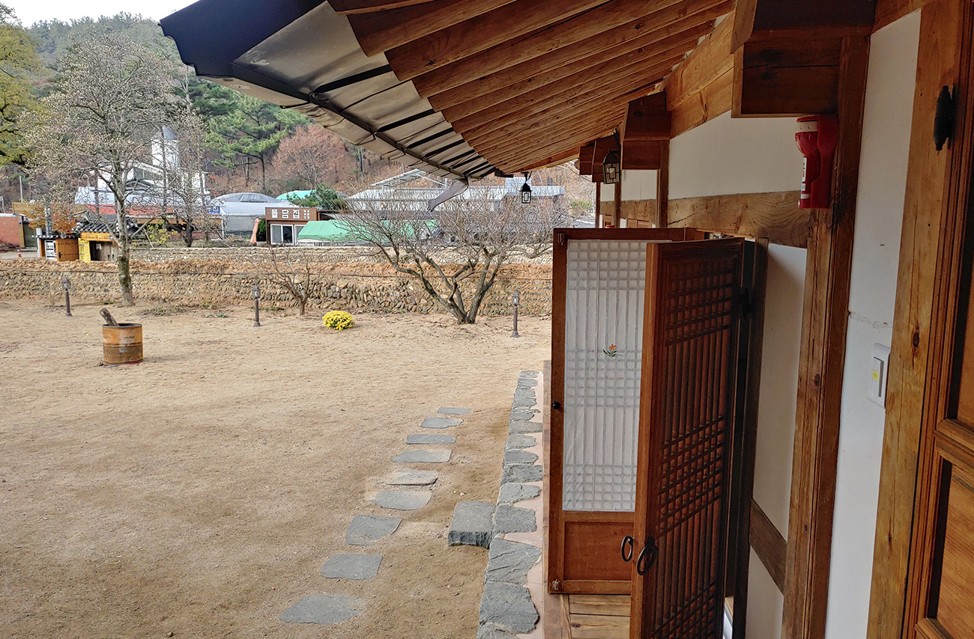
• Key Points: Photos taken in front of the hanok's wooden floor, stone wall path, or main gate look best. Colors that contrast sharply with the background look especially beautiful.
• Learning: Master dignified posture through adjusting clothing details (ribbons, collars, sashes) and practicing bowing and etiquette movements.
Traditional Korean DASIK(Tea Confectionery) Experience
• Meaning: Making traditional sweets using natural ingredients—a feast for the eyes first.
• Components: Dough made with mugwort, soybean, and black sesame powder; molding with dasik molds; coating with honey or rice syrup.
• Key Point: Controlling the dough's moisture is crucial. If it releases cleanly from the mold, the consistency is right. Color contrast can make patterns appear more vivid.
• Learning: Understand seasonal ingredients and the concept of yin-yang harmony; learn the aesthetic of serving (presentation) that complements tea.
Seodang Experience
• Meaning: A traditional class physically experiencing Confucian learning methods.
• Components: Reading the Thousand Character Classic and Four Books of Elementary Learning aloud, writing Chinese characters with a brush, etiquette education (greetings, seated posture).
• Key Points: Slow pronunciation and rhythmic recitation enhance immersion. Practice vertical strokes first when starting brushwork.
• Learning: The sages' philosophy that learning characters is the very act of rectifying one's mindset.
Rice Cake Pounding
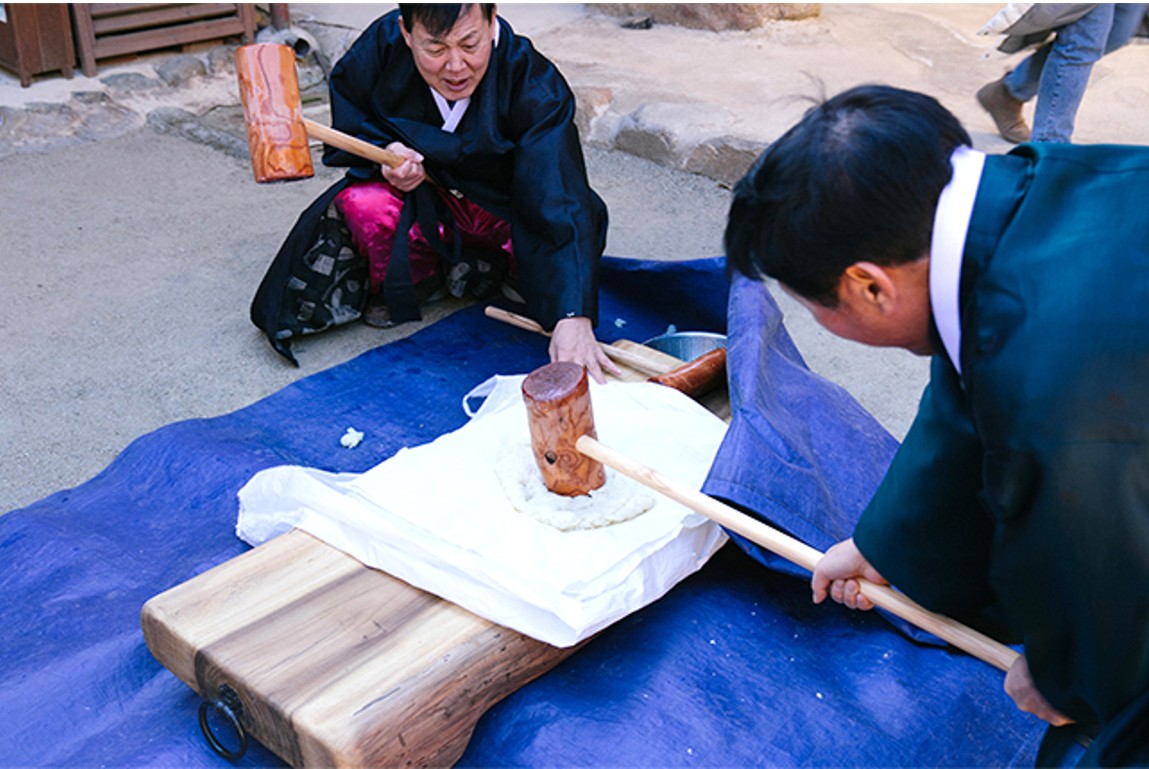
• Meaning: A collaborative effort unifying rice grains through strength and breath.
• Structure: Steaming glutinous rice → Placing in mortar → Alternating blows with pestle → Shaping and topping.
• Key Point: Alternating strikes in rhythm with “One-two” maximizes elasticity and chewiness. A smooth surface signals completion.
• Learning: Understanding the rhythm of cooperation and the transformation of grains (starch gelatinization) through sensory experience.
Arrow Throwing Experience
• Meaning: The art of concentrating one's mind to strike the target with ‘precision and focus’.
• Setup: Throw arrows (sal) into a jar (ho) from a set distance; score per round.
• Key Point: Success hinges on breathing and fixed gaze, not arm strength. Low arcs yield higher success rates.
• Learning: Cultivating focus, restraint, and courtesy through play.
Jegi Chagi
• Meaning: A folk sport creating balance and rhythm with the toes.
• Structure: Continuously kicking a jegi (shuttlecock) with one foot, competing for individual and team records.
• Key Points: Strike the center of the instep with a ‘tap’ motion; continuous rhythm is more important than height. Keep eyes on the bottom of the jegi.
• Lessons: Core balance, sense of rhythm, and harmony between body and breath.
Stone Toss
• Meaning: An outdoor game connecting the senses of the ground and hands using flat stones.
• Structure: Tossing a flat stone placed on the back of the hand, clearing obstacles, competing for number of tosses.
• Key Points: Stone selection is half the battle—light yet balanced stones are advantageous. Aim for low, fast spins.